Fire Damage in Louisiana — Smoke Behavior, Humidity, and Why Fast Response Matters
Fire damage restoration in Louisiana presents challenges that differ from restoration in drier climates. Smoke — a complex mixture of combustion particles, gases, and aerosols — behaves differently in Louisiana's high-humidity environment. Smoke particles bond more aggressively to surfaces when humidity is elevated, creating stubborn residue that resists standard dry-cleaning methods. The acidic nature of soot — particularly from synthetic materials common in modern furnishings — begins etching surfaces within hours of deposition. In Louisiana humidity above 75%, this chemical etching accelerates, permanently damaging countertops, fixtures, glass, and metal surfaces if cleanup is delayed.
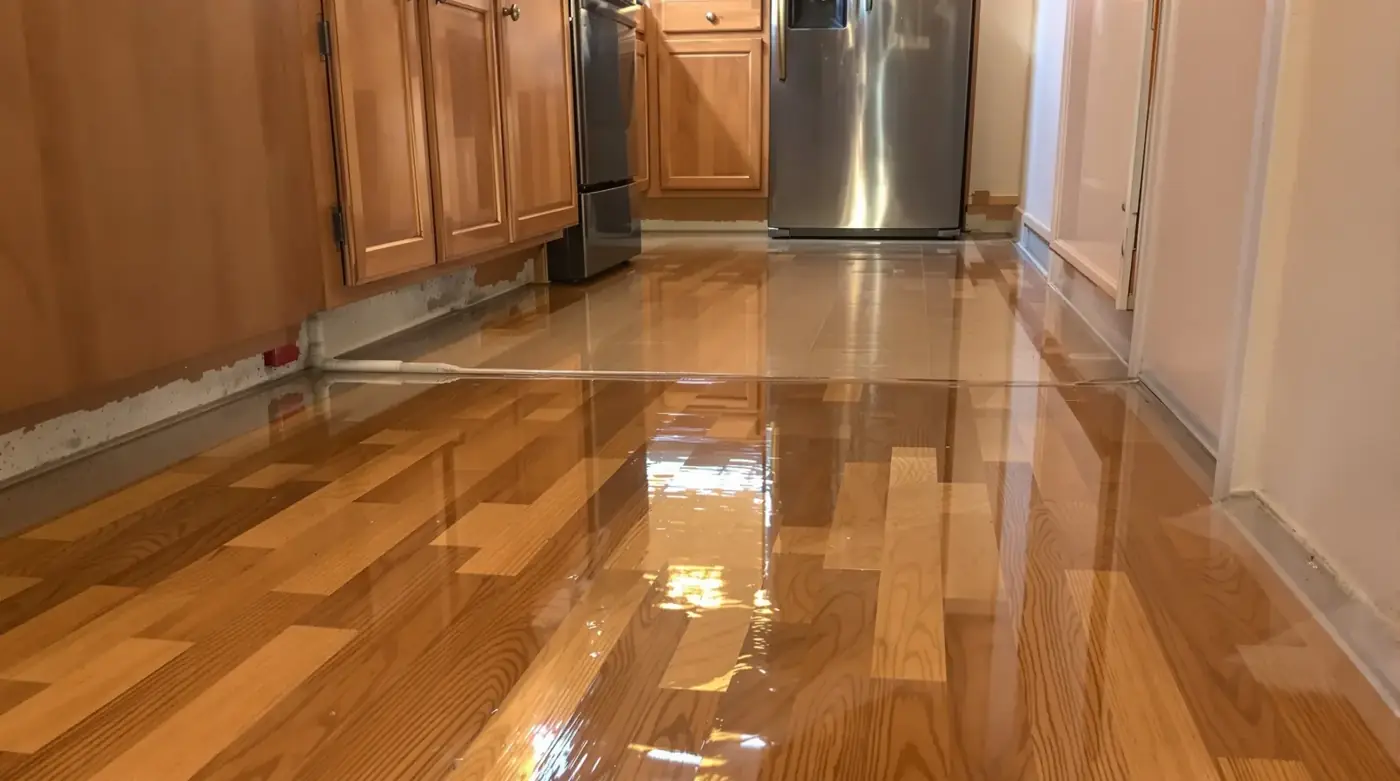
The water used to extinguish the fire creates secondary damage that compounds in Louisiana's climate. Fire hoses can deliver hundreds of gallons of water into a structure — water that saturates drywall, flooring, insulation, and framing. In Louisiana humidity, this water does not evaporate on its own. Within 24 to 48 hours, mold colonization begins in the water-damaged areas, adding another layer of damage on top of the fire and smoke. Professional fire restoration must address fire, smoke, soot, and water damage simultaneously — extracting standing water, setting up dehumidification, and beginning smoke cleanup in parallel rather than sequentially.
Read more →
Louisiana's diverse housing stock means fire damage restoration must adapt to different construction types. Historic homes with plaster walls, original wood flooring, and pier-and-beam foundations require different smoke cleaning protocols than modern drywall construction. Plaster absorbs smoke differently than drywall. Wood flooring that has been saturated with firefighting water requires specialized drying to prevent cupping and warping. Mid-century brick homes with slab foundations may trap smoke in wall cavities differently than raised homes with ventilated crawl spaces. Knowing how fire, smoke, and water interact with each construction type — and how Louisiana humidity accelerates every damage process — is what separates professional fire restoration from general cleanup.