24/7 Water Response · IICRC Certified337-857-3670
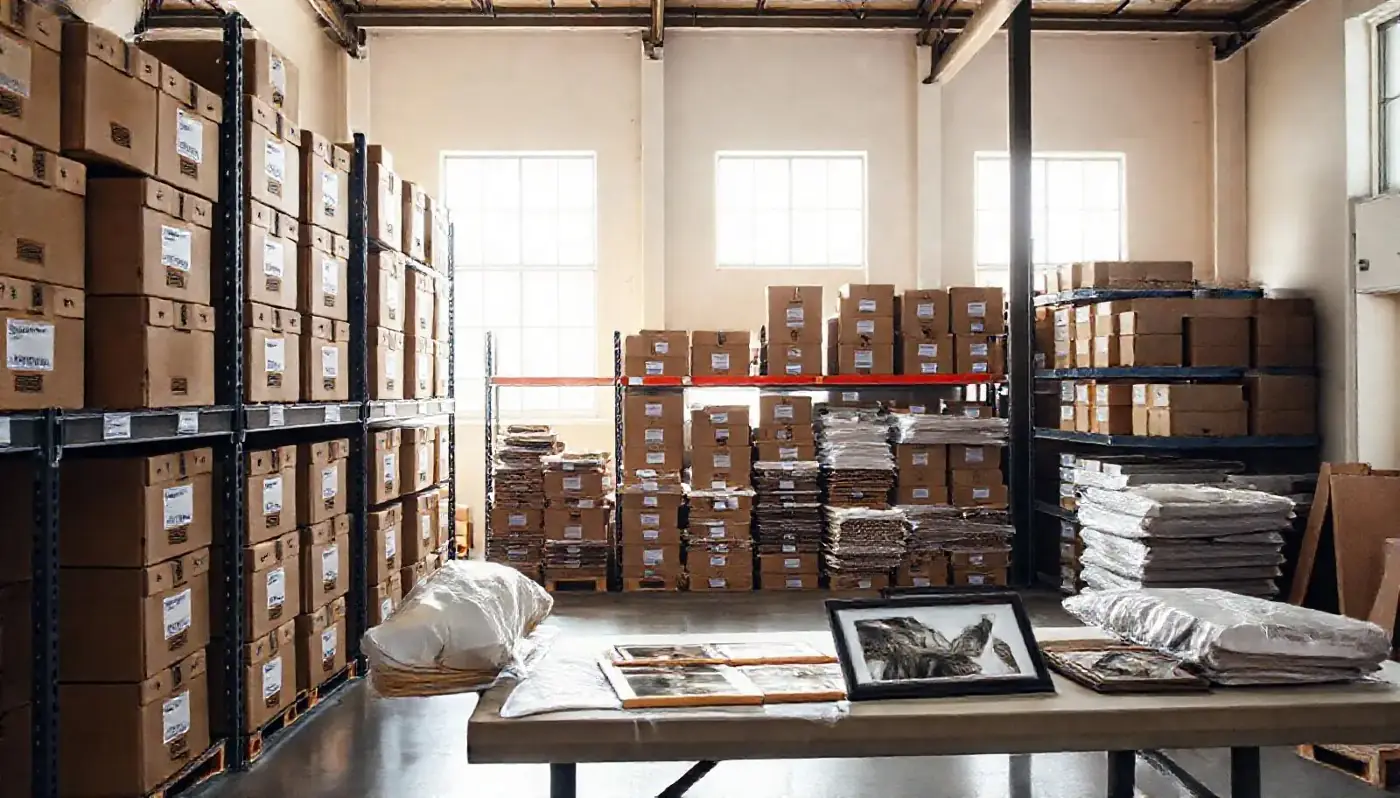
DryMax contents cleaning facility in Louisiana — inventoried boxes and belongings being catalogued after a fire or flood
Contents Cleaning

Contents Cleaning & Pack-Out in Louisiana

We inventory, pack out and restore your belongings after a fire or flood. Photos, documents, furniture and electronics cleaned and returned.

  • Contents Pack-Out
  • Document & Photo Restoration
  • Ultrasonic Cleaning
  • Odor Removal

Get Help Now

For water damage emergencies, call us 24/7. For everything else, send the form and we'll get back to you.

  • 24/7 ResponseFor water damage emergencies
  • IICRC CertifiedTrained restoration techs
  • We Work With Your InsuranceAny carrier, start to finish
Crews available now337-857-3670
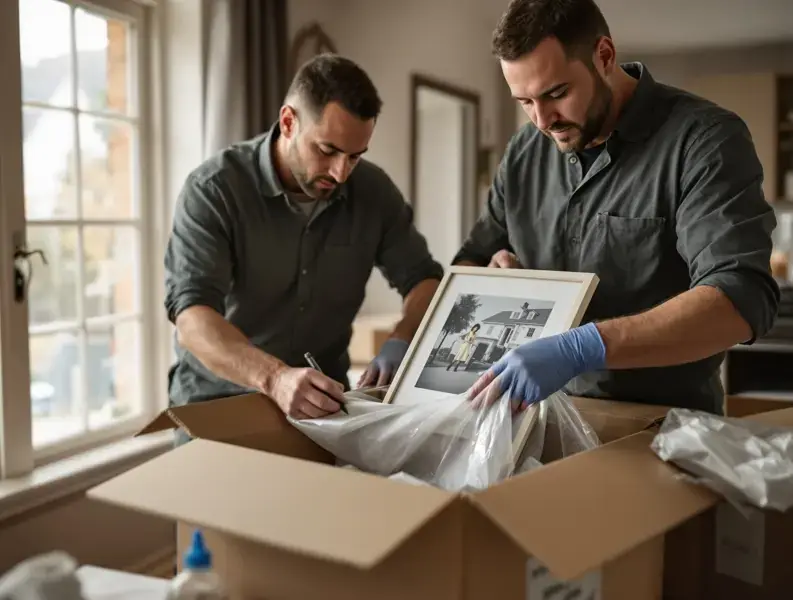
Technicians packing and labeling belongings in a damaged Louisiana home during a contents pack-out

Contents Cleaning After a Fire or Flood in Louisiana — We Save the Things That Matter

When a fire or flood hits your home, the structure gets the attention — but the stuff inside is what you will actually miss. The photographs, the documents, the furniture that has been in the family for generations. Here is what most people do not realize until it is too late: a surprising amount of what looks completely ruined is actually recoverable. DryMax provides professional contents cleaning and pack-out services across Louisiana — we inventory your belongings, pack them out to a controlled facility, clean and restore them with the right technique for each material, and bring them back when your home is ready. Serving New Orleans, Baton Rouge, Lafayette, Lake Charles, and over 40 towns statewide.

  • Local Restoration SupportCall to arrange the next steps
  • IICRC-Certified CrewsTrained restoration technicians
  • We Work With Your InsuranceAny carrier, start to finish
  • Louisiana LocalServing every parish we cover
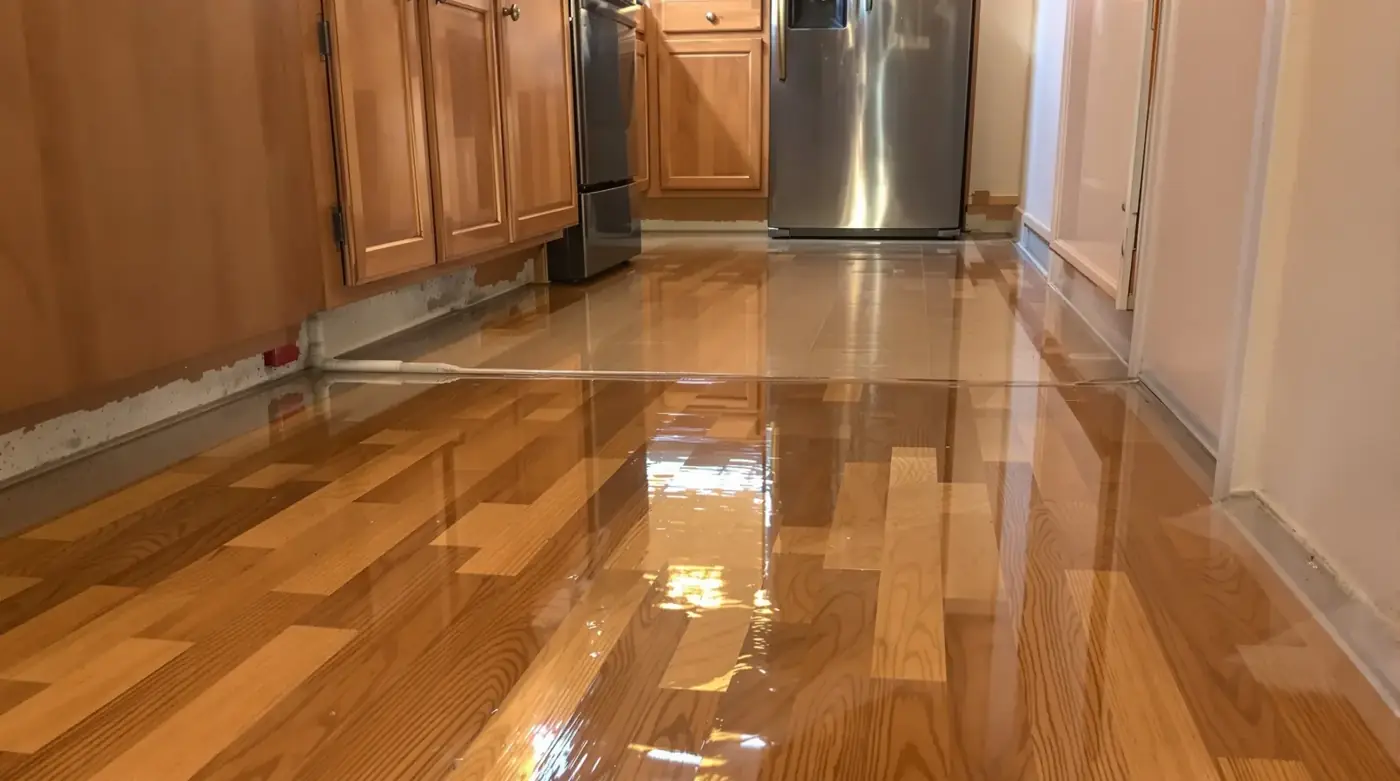
DryMax technician inspecting a water-damaged floor

Contents Cleaning After a Fire or Flood — What It Actually Is

Here is the honest way to think about contents cleaning, because most people have never heard of it until the moment they need it. Contents cleaning is the process of saving the stuff inside your home after a fire or flood — the furniture, the clothes, the photographs, the paperwork, the keepsakes — separate from the walls and floors around them. Structural restoration dries the building and removes damaged drywall and materials. Contents cleaning is the other half of the job: getting your belongings back.

The thing that surprises almost everyone is how much can actually be saved. A stack of photographs that came out of floodwater looks like a total loss — but handled fast, most of those images can be cleaned and stabilized. A sofa covered in black soot looks destroyed — but that soot is often sitting right on top of a perfectly good finish. The difference between a keepsake that survives and one that is gone forever is almost never how badly it was damaged. It is how quickly it was handled, and whether the person handling it knew what they were doing.

Read more →

That is what we do. We are a Louisiana restoration company, not a moving company that happens to own some boxes. We understand what smoke does to wood, what floodwater does to paper, and what Louisiana humidity does to everything that gets wet. We have the equipment — freeze-drying for documents, ultrasonic tanks for hard items, specialized wash systems for textiles, ozone and hydroxyl generators for odor — and we have the process to make sure the photograph of your grandmother does not end up at the bottom of a damp box in a storage unit somewhere.

What We Clean & Restore

Professional Contents Restoration for Every Kind of Belonging

Different materials need different techniques. Here is how we handle each category of contents after fire and water damage — because a photograph and a leather sofa are not saved the same way.

Technicians packing and labeling belongings in a damaged Louisiana home during a contents pack-out

Documents & Photographs

Water-damaged photos and paper are the classic success story. Freeze-drying pulls moisture out without the curling, sticking, and tearing that air-drying causes. Smoke-damaged books and records get deodorized in a way that neutralizes the acidic residue instead of just covering up the smell.

Furniture & Wood

That black, sooty furniture usually has a perfectly good finish hiding under a layer of soot. We lift the soot with dry-chem sponges and specialized cleaners, treat the odor, and refinish where needed. Water-damaged wood goes into a controlled drying chamber before it swells and warps.

Textiles, Clothing & Soft Goods

Quilts, curtains, rugs, clothes, even shoes and kids toys — these go through specialized washing systems (like the Esporta process) built for soft contents, then ozone or hydroxyl deodorization. The trick is handling them before mold sets in, because mold in fabric is one of the hardest things to fully remove.

Ultrasonic Cleaning

Hard, non-porous items — jewelry, dishes, tools, small metal heirlooms — go into an ultrasonic tank where high-frequency sound waves blast the residue out of every crevice. It is the same technology jewelers use, just scaled up, and it cleans places you can not reach by hand.

Electronics

Electronics are the honest answer category: fully submerged electronics are usually a loss, but smoke-exposed units can often be cleaned, tested, and saved. We assess each one individually and tell you straight whether it is worth cleaning or should be replaced and documented for your claim.

Odor Removal & Deodorization

Smoke odor is not a smell floating in the air — it is contamination embedded in the material. We use hydroxyl generators, thermal fogging, and ozone treatment (in unoccupied spaces) to actually neutralize the odor molecules, not mask them with air freshener.

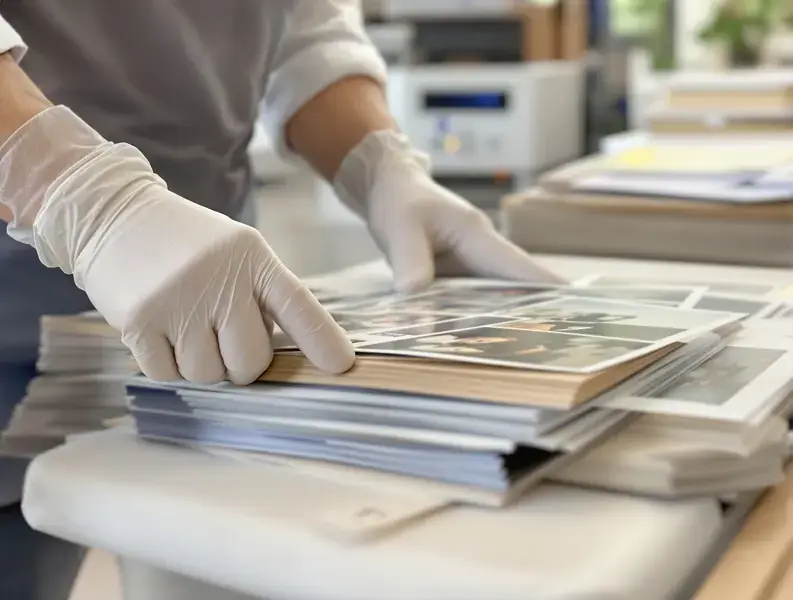
Specialist handling water-damaged family photographs and documents during freeze-drying after a flood
The Pack-Out Process

Contents Pack-Out: How We Remove, Inventory, and Protect Your Belongings

A pack-out is the part most people have never seen, so let me walk you through it plainly. After a fire or a flood, you cannot leave your belongings sitting in a house that is wet, smoky, or both — the damage keeps getting worse by the hour. A pack-out is the process of carefully removing everything worth saving, logging it, and getting it to a clean, dry facility where it can actually be worked on.

This is not the same as hiring movers. Movers are trying to get boxes from one house to another as fast as possible. A pack-out is a cataloguing job. Every item gets photographed, every box gets a tracking number, and every box gets logged on a written inventory that you and your insurance company both get a copy of. That chain of custody is what protects your stuff — it is how we know exactly where your grandfather's discharge papers are at every step of the job, from the moment they come off the shelf to the moment they go back on it.

Emergency Assessment & Documentation

We start by walking the damaged home with you, room by room, and photographing everything before anything moves. This matters for two reasons: it gives you a clear record of what was there and what condition it was in, and it is exactly what your insurance adjuster needs. We flag the items that need the fastest attention — wet photographs, waterlogged documents, anything that will start molding within hours.

The Pack-Out: Remove, Inventory, Label

Our crew carefully boxes every salvageable item, itemizes it on a written inventory, and labels each box with a unique tracking number. This is not a hasty move — it is a cataloguing process. Every box is logged so we know exactly what is in it, where it came from, and where it is going. That chain of custody is what keeps a keepsake from disappearing into a pile of cardboard.

Transport to a Controlled Facility

The boxes leave your home and go to a climate-controlled restoration facility. This is a bigger deal than it sounds in Louisiana. Your belongings get out of the hot, humid, contaminated air of a damaged home and into a clean, dry environment where the real work can happen without mold continuing to grow while we work.

Cleaning, Drying & Deodorizing

Each category of item gets its own treatment: documents and photos may be freeze-dried, furniture is cleaned and deodorized, textiles go through specialized washing, and hard items go through ultrasonic cleaning. The goal every time is the same — remove the water, soot, or odor, and get the item back to as close to its pre-loss condition as possible.

Pack-Back & Delivery

Once your home is restored and ready, we bring everything back and set it where it belongs. This is the part people do not expect to be emotional until it happens: walking into your house and finding the photographs back on the shelf and the furniture back in the living room — not replaced, but actually yours.

How We Actually Save Your Stuff

How We Clean and Restore Contents After Fire and Water Damage

Once your belongings are in our facility, the real work starts, and the technique matters more than the effort. This is where most well-meaning DIY attempts go wrong — the things that feel like they should help (scrubbing soot with household cleaner, spreading wet photos out to dry, sealing damp documents in a plastic bag) are exactly the things that make the damage permanent.

Documents and photographs go through freeze-drying, which pulls the moisture out of the paper without the curling, sticking, and tearing you get from air-drying. It is the same process libraries use to save water-damaged books, and it is the reason a box of photos that looks like a lost cause can come back looking close to untouched. Furniture and wood get cleaned with dry-chem sponges that lift soot off the surface instead of grinding it in, then deodorized and refinished. Textiles go through specialized wash systems built for soft goods, then ozone or hydroxyl treatment to actually break down the odor molecules rather than perfume over them.

Read more →

The honest answer on some items — heavily charred things, electronics that sat fully submerged, fabric that grew mold all the way through — is that they cannot be saved, no matter how careful we are. Part of a professional contents assessment is telling you straight which category each item falls into, so you are not throwing away things that could have been restored, or paying to restore things that are already gone.

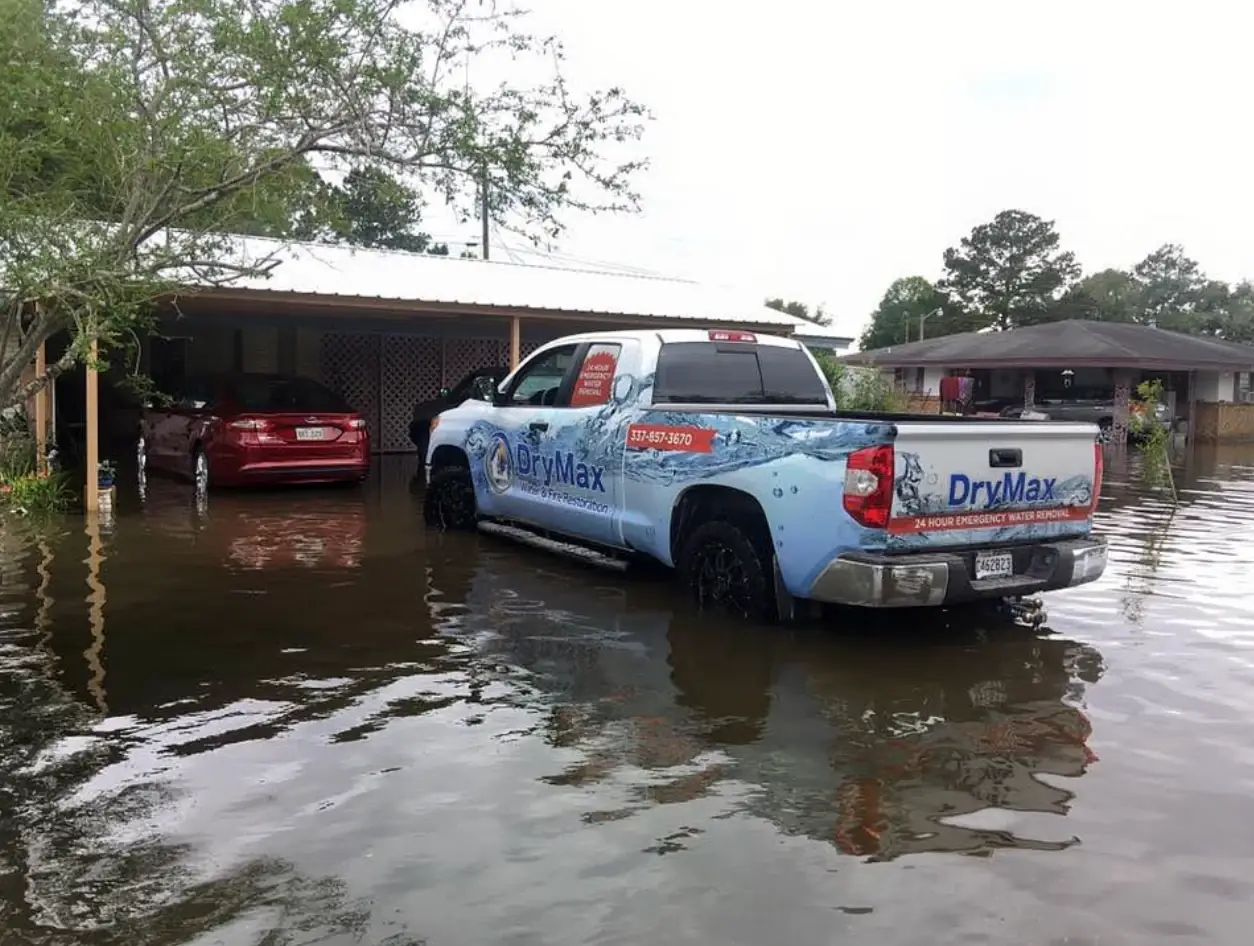
DryMax restoration crew at work in a Louisiana home
Restored Louisiana home interior
Why Louisiana Is Different

Why Louisiana Makes Contents Restoration More Urgent

Every region deals with fires and floods, but Louisiana turns contents cleaning into a race against the clock. The reason, as with most things in this state, is the humidity. When your belongings get wet here, they do not dry on their own — the air is already too full of moisture to accept any more. Wet photographs, wet documents, and wet furniture stay wet for days, and within 24 to 48 hours, mold starts colonizing the organic material in your stuff. Paper, leather, wood, and fabric are all food for mold, and once it gets into a keepsake, it is often there for good.

That is why the timeline is so compressed down here. In a dry climate, you might have a few days of grace before wet belongings start to mold. In Lafayette, Lake Charles, or anywhere south of I-10, that grace period is measured in hours. Smoke is the same story — the acidic soot a fire leaves behind etches into fabric, wood, and paper faster in high humidity, so smoke-damaged belongings deteriorate quicker here than they would almost anywhere else. It is not a reason to panic. It is a reason to move, and to understand that in this climate, getting your belongings into professional hands fast is not a luxury. It is the difference between what you save and what you lose.

Google Reviews

What Louisiana Homeowners Say

Real reviews from families we've helped recover from water, fire and mold damage across Louisiana.

G
“Within four hours of us knowing about the problem, DryMax was on the scene. They worked until midnight making sure no further damage would happen. I cannot say enough about their dedication.”
S. Sam
Eunice, LA · Water Damage Restoration
“Eric and his team were fantastic. They responded immediately when our water heater burst and flooded the garage and hallway. They explained the drying process, set up equipment, and came back daily to check moisture readings.”
Thomas K.
Mandeville, LA · Emergency Water Extraction
“Having DryMax remediate the huge amount of damage at our home has truly been a Blessing. The crew was professional, thorough, and communicated with us daily. I would give them 10 stars if I could.”
C. Cynthia
Lafayette, LA · Fire & Water Damage Restoration
“They did an amazing job. They minimized any further damage and had my home dried out effectively with meticulous attention to detail. Eric returned and did restorative cleaning on the carpets — they looked brand-new.”
Anna O.
Ville Platte, LA · Water Damage & Carpet Cleaning
“We had a problem with a leak and were unsure of the extent of the damage. They came right away, told us the extent of the damage and what steps should be taken from there. Very professional and meticulously clean.”
Felicia M.
Lafayette, LA · Water Damage Inspection
“They went above and beyond to fit me in their schedule. The crew was very polite, very clean, and very timely. I highly recommend them for any restoration work — you will not be disappointed.”
Michelle D.
Opelousas, LA · Water Damage Restoration
Common Questions

Contents Cleaning After a Fire or Flood — FAQs

Questions we hear all the time from Louisiana homeowners dealing with damaged belongings.

Is contents cleaning really worth it, or should I just replace everything?+

It depends on the item, but contents cleaning is usually far cheaper than replacement — and for the irreplaceable stuff like photographs, documents, and heirlooms, it is the only option, because there is no replacement available at any price. A professional assessment tells you item by item what can be restored and what is genuinely lost, so you are not paying to save things that cannot be saved or replacing things that could have been cleaned.

How fast do I need to act after a fire or flood to save my belongings?+

In Louisiana, faster than almost anywhere else. Wet belongings will not dry on their own in the humidity, and mold starts colonizing paper, leather, wood, and fabric within 24 to 48 hours. Smoke residue is acidic and keeps etching into your belongings the longer it sits. Getting items into professional hands within the first day or two gives you the best shot at a near-total recovery — every day they sit reduces the odds.

What exactly is a pack-out, and do I need one?+

A pack-out is the careful, itemized removal of your belongings from a damaged home to a controlled restoration facility. It is not a hasty move — it is a cataloguing job where every item is photographed, every box gets a tracking number, and everything is logged on a written inventory. You need one whenever a home has significant water, fire, or mold damage, because it gets your stuff out of the humid, contaminated structure and into a clean, dry environment where it can actually be worked on.

Can water-damaged photographs and documents really be saved?+

Yes, far more often than people assume. Water-damaged photos can usually be separated, cleaned, and stabilized before the image degrades — especially if they are freeze-dried fast instead of left to air-dry, which is what causes curling, sticking, and tearing. The key is getting them to a professional quickly and not trying to dry or separate them yourself, which is when most of the permanent damage happens.

What should I NOT do with my belongings after a fire or flood?+

Do not wipe soot with household cleaner — it grinds the acidic residue into the surface. Do not spread wet photos or documents out to air-dry — they will curl and stick. Do not seal damp items in plastic bags — it creates a mold incubator. Do not scrub keepsakes with bleach or water. And do not disturb moldy or soot-covered items without protective gear. The safest first step is to leave the items alone and get them into professional hands fast.

How does contents cleaning work with my insurance claim?+

They work together, not against each other. A professional pack-out produces an itemized inventory with photos and condition notes for every item — which is exactly the documentation your insurer needs to process the contents portion of your claim. Restoring an item is almost always cheaper than replacing it, which is in both your interest and your insurer’s. A restoration company that understands insurance will produce that inventory in the format your adjuster expects. Have a question about saving your belongings after a fire or flood? We're here to help.

Worried About Your Belongings After a Fire or Flood? Call 337-857-3670 Now

The faster your belongings are handled, the more of them can be saved. Whether you're in New Orleans, Baton Rouge, Lafayette, Lake Charles, or any of the 40+ towns we serve across Louisiana — we pack out, clean, and restore the things that matter most. Phone answered 24 hours a day, every day.

Call 337-857-3670 Now

Request Help