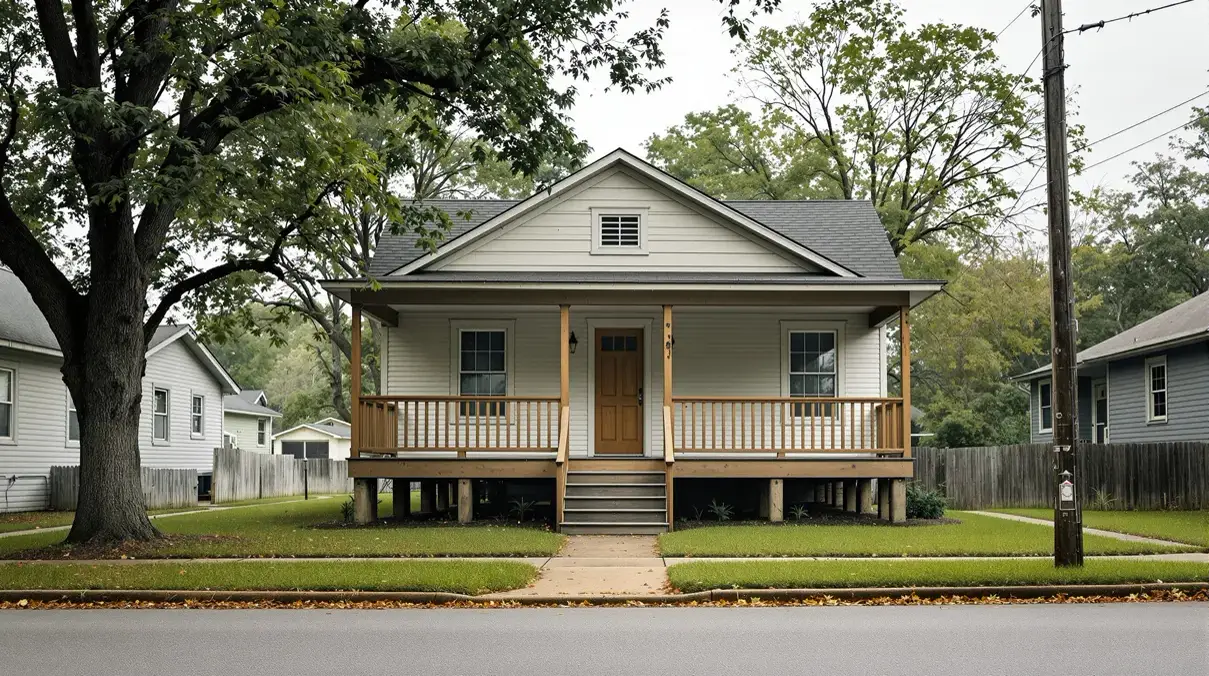
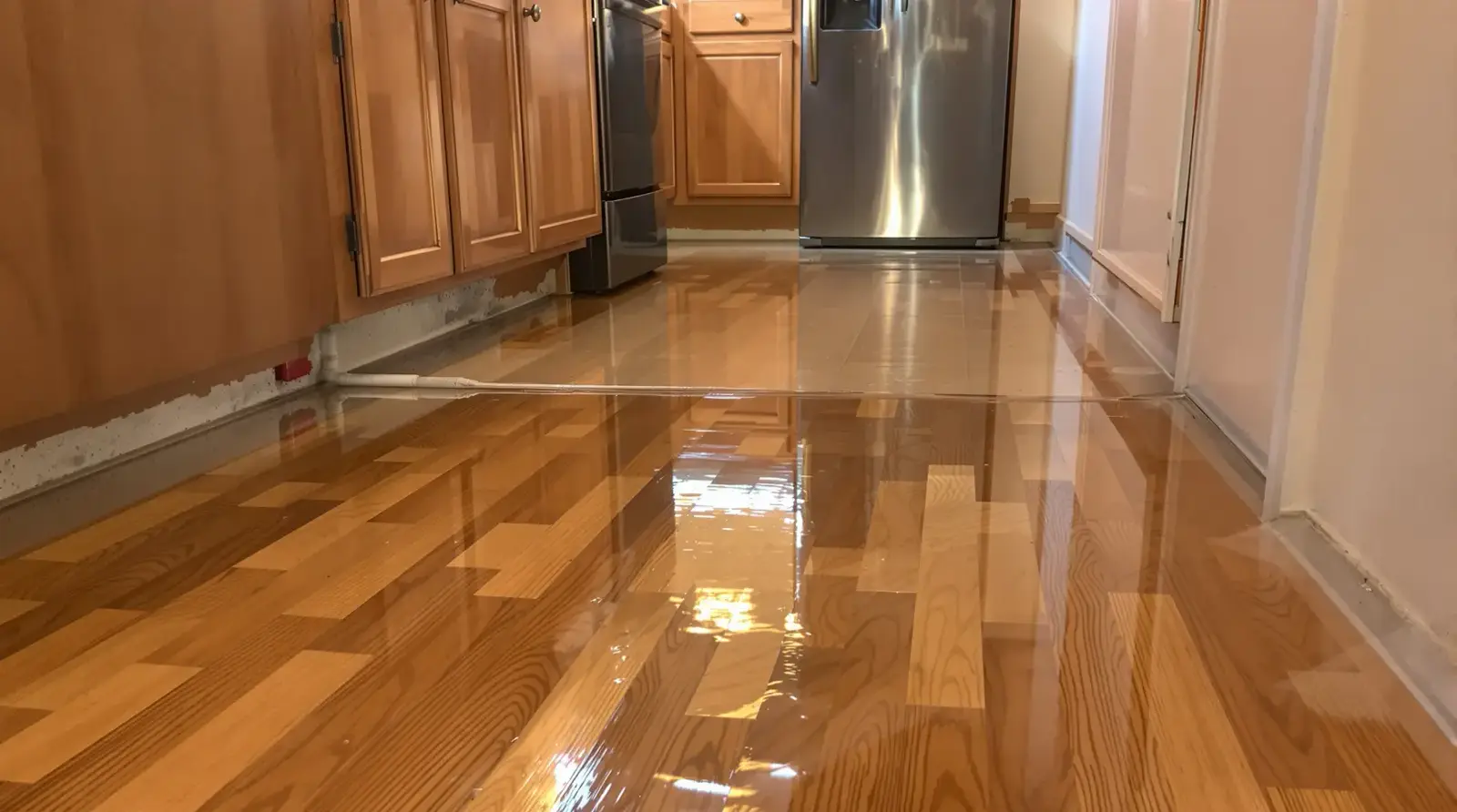
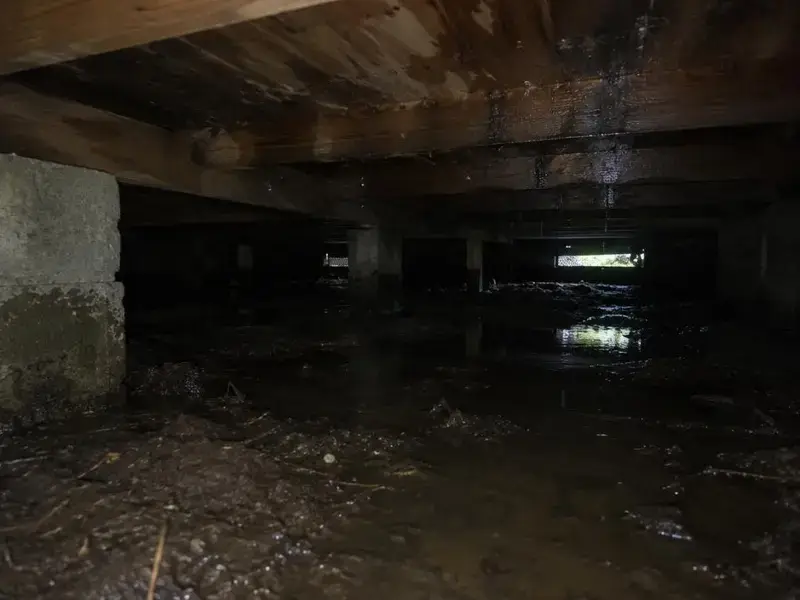
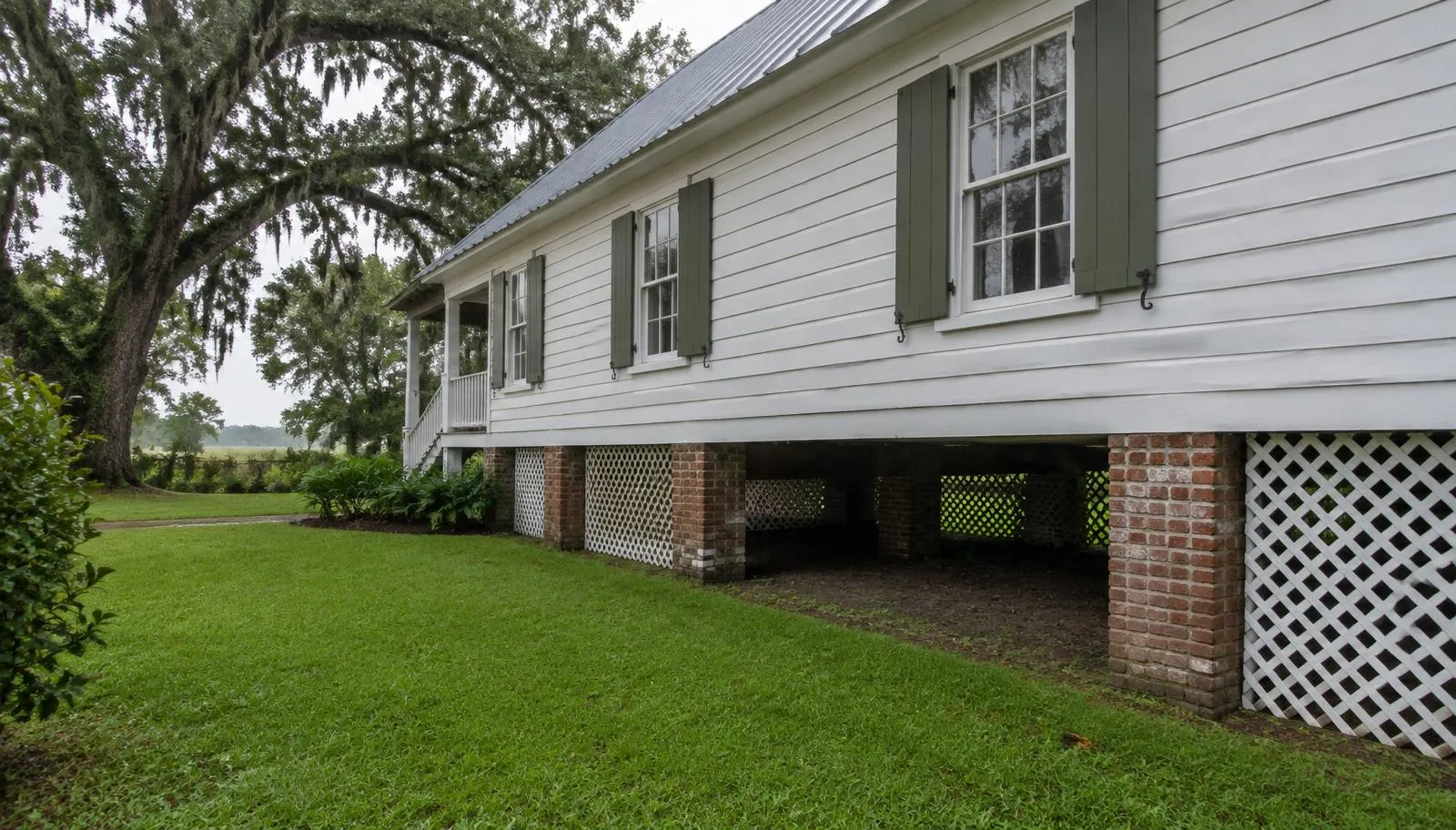
Uptown is dominated by raised shotgun houses, side-hall cottages, and the large Victorian and Greek Revival homes along the St. Charles corridor. Most were built between the 1880s and the 1930s, so the crawl spaces underneath have been sitting over damp clay for well over a century. Original plaster walls and old-growth cypress framing behave very differently from modern drywall when they get wet, and the raised floor assemblies mean water from a supply-line failure ends up in the crawl space as often as it ends up on the floor.
Mid-City sits on some of the lowest ground in the city, close to Bayou St. John and the drainage canals that move stormwater north toward the lake. Housing is a mix of raised cottages, bungalows, and slab-on-grade infill built after the storm. The low elevation is the defining issue: during heavy rainfall the canals back up before the pumps catch up, and water reaches slabs, crawl spaces, and ground-level mechanical closets quickly.
French Quarter buildings date to the late 1700s and early 1800s and use brick-between-posts construction with plaster applied over brick or wood lath, plus courtyard-facing walls that never see direct sun. Brick and plaster are hygroscopic — they absorb and release moisture from the air continuously. A slow leak inside a wall here can feed growth for months with no visible staining on the plaster face, and the same materials require slow, controlled drying rather than the aggressive heat used on modern construction.
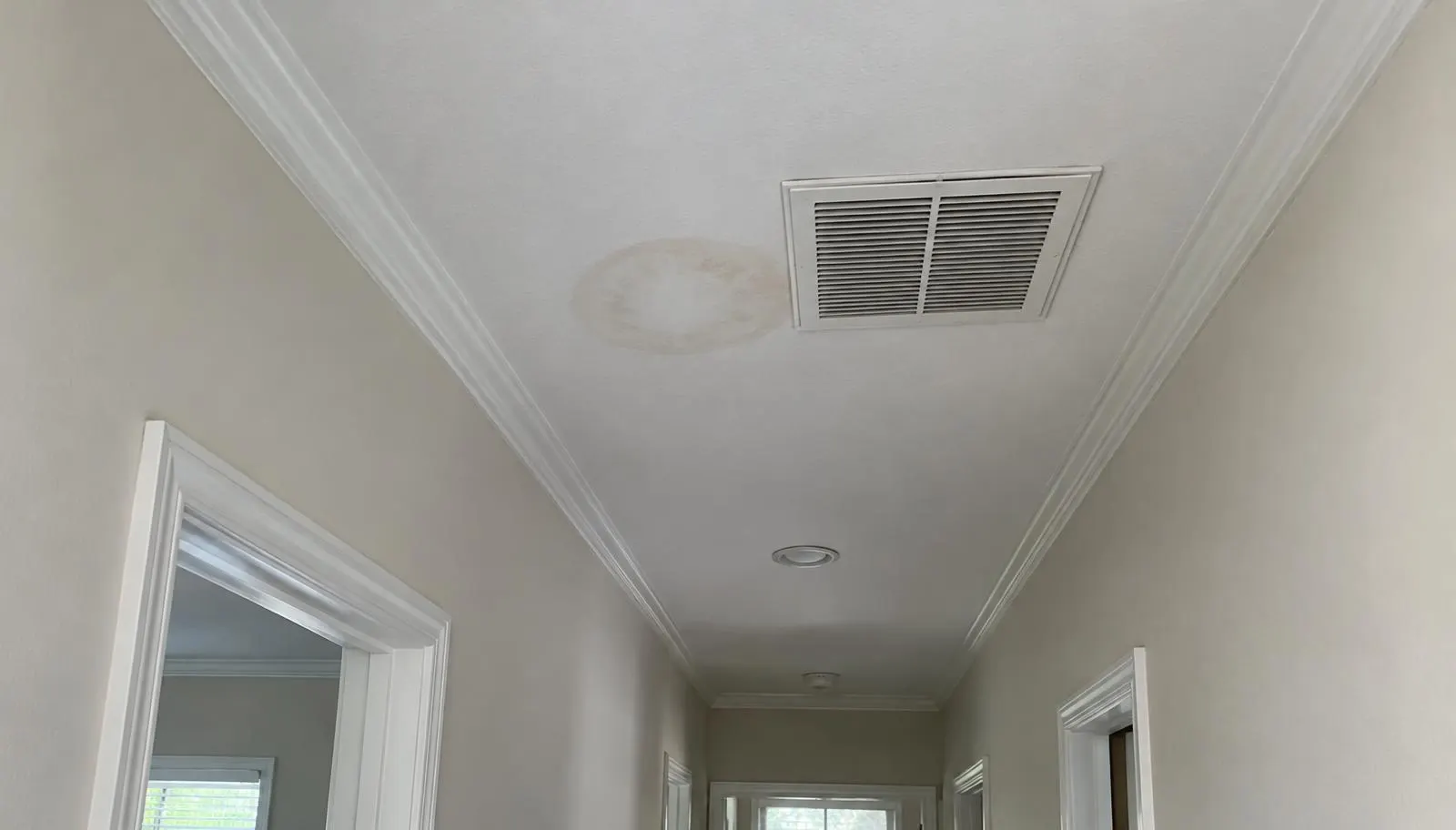
Lakeview is largely post-2005 construction: raised homes built to current elevation requirements, with modern materials and tightly sealed envelopes. The vulnerabilities here are different — construction-phase moisture trapped behind drywall, attic ventilation that was never sized for a sealed envelope, and oversized air conditioning that short-cycles without removing humidity. Homes that were rebuilt quickly during the recovery years are the ones most likely to have unresolved moisture in wall cavities.
Gentilly is mostly mid-century brick ranch construction on slab foundations, with in-slab copper supply lines and cast iron drains that are now 50 to 70 years old. When a slab line fails, water saturates the concrete and wicks upward into flooring and the bottom few feet of drywall. Because the water table here sits close to the surface, the soil under the slab cannot absorb the extra water, so it pushes up instead. Growth behind baseboards and inside the lower wall cavity is common before anything shows in the room.
The Marigny and Bywater have some of the tightest blocks of 19th-century Creole cottages and shotguns in the city — narrow lots, shared walls, and raised pier foundations with crawl spaces that were never fitted with ground covers. Narrow side yards and shared walls make drying harder, because there is little exterior wall area to work from and equipment has to go in through the front door like everything else.
Tremé holds one of the oldest concentrations of Creole cottages and shotgun doubles in the country, alongside newer infill. Many of the historic structures have had multiple renovations layered on top of original framing, which hides where water is actually travelling. Roof valleys, rear additions, and added bathrooms are the usual suspects when moisture shows up somewhere unexpected.
Algiers sits across the river on the West Bank, with a housing mix running from 1920s bungalows near the ferry landing to slab subdivisions further out. Groundwater pressure against foundations is the recurring theme, along with aging plumbing in the older blocks. Because it is a separate crossing from the rest of the city, scheduling and access matter as much as the work itself.
New Orleans East is predominantly 1960s through 1980s slab construction, much of it rebuilt after 2005. Slab leaks, HVAC condensate problems, and attic ventilation are the three most common moisture sources we find. Homes that sat vacant for extended periods during the recovery are worth a careful look, because a vacant house in this climate does not stay dry.
Metairie is Jefferson Parish: post-war ranch homes, apartment complexes, and slab subdivisions on heavy clay soil, in a parish where storm water depends on pump stations. Slab leaks and roof penetrations are the usual entry points.
Kenner runs from older raised homes near the river to large tracts of 1970s and 1980s slab subdivisions closer to the airport and the lake, with wind-driven rain against roofs and windows as a consistent driver.