24/7 Water Response · IICRC Certified337-857-3670
DryMax professional mold inspection and testing services throughout Louisiana — air quality sampling, surface swabs, and lab-verified results for homes and businesses
Mold Testing

Mold Inspection & Testing in Louisiana

Air and surface sampling with an outdoor baseline and independent lab analysis. Get clear, verified answers about mold in your home.

  • Air Quality Sampling
  • Surface Swab Testing
  • Lab-Verified Results
  • Detailed Assessment Report

Get Help Now

For water damage emergencies, call us 24/7. For everything else, send the form and we'll get back to you.

  • 24/7 ResponseFor water damage emergencies
  • IICRC CertifiedTrained restoration techs
  • We Work With Your InsuranceAny carrier, start to finish
Crews available now337-857-3670
Professional mold inspection in Louisiana using calibrated equipment and standardized sampling protocols — DryMax provides lab-verified mold testing with independent laboratory analysis

Mold Inspection and Testing Across Louisiana — Lab-Verified Results, Professional Assessment

Before mold remediation begins, you need to know exactly what you are dealing with — what types of mold are present, at what concentrations, and across what area. Professional mold testing with air quality sampling, surface swabs, and laboratory analysis provides the objective data that visual inspection alone cannot deliver. Our IICRC certified inspectors serve New Orleans, Baton Rouge, Lafayette, Lake Charles, Shreveport, and over 40 towns throughout Louisiana, providing detailed reports that guide remediation decisions, document conditions for real estate transactions, and provide peace of mind about the air quality in your home.

  • Local Restoration SupportCall to arrange the next steps
  • IICRC-Certified CrewsTrained restoration technicians
  • We Work With Your InsuranceAny carrier, start to finish
  • Louisiana LocalServing every parish we cover
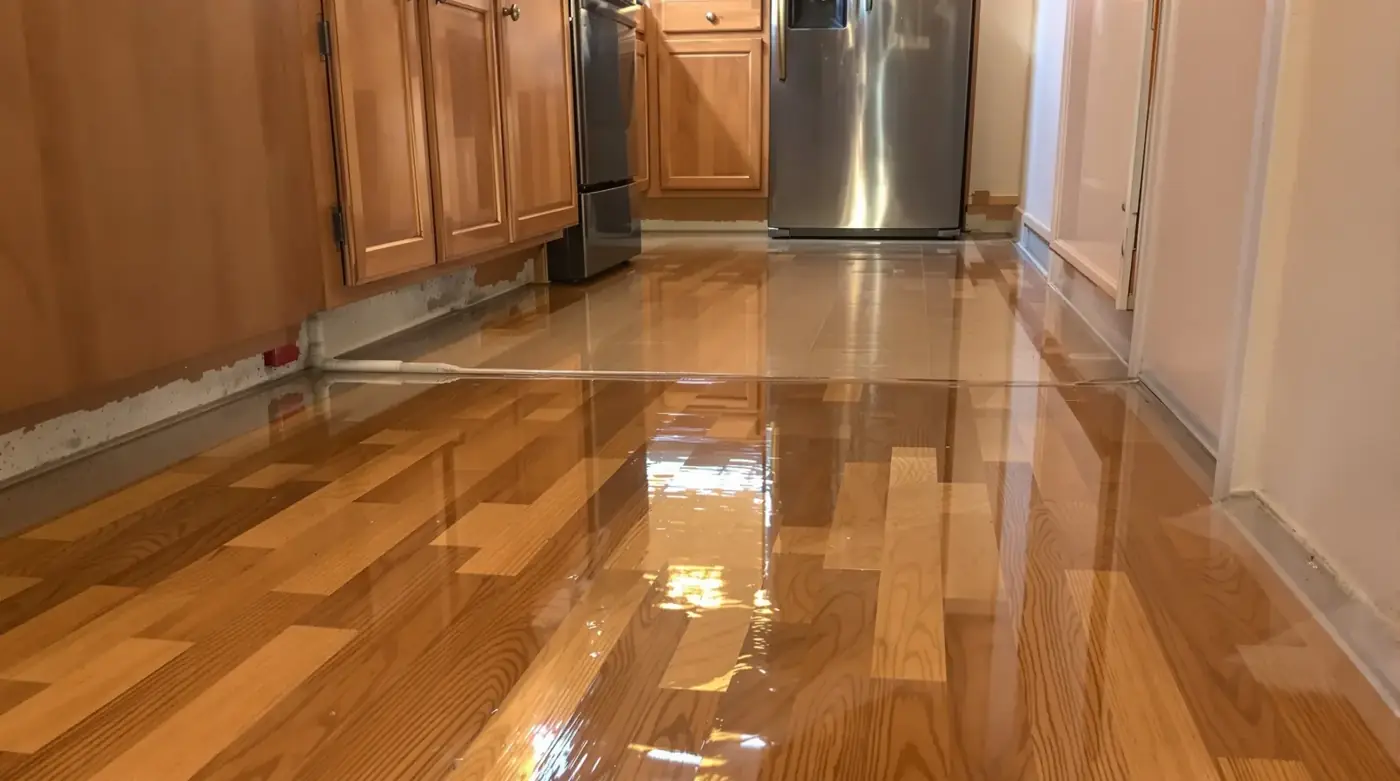
DryMax technician inspecting a water-damaged floor

Mold inspection services in Louisiana — what you actually get

Mold inspection services in Louisiana have to account for a climate that keeps outdoor spore counts elevated all year, which is why a single indoor air sample means nothing here. Our statewide standard is a calibrated indoor sample paired with an outdoor baseline collected at the same time, moisture readings through walls, framing, and subfloor, and independent laboratory analysis. Standard laboratory results take 3 to 5 business days, with rush analysis available in 24 to 48 hours for an additional fee. Inspections are IICRC certified and run out of our Ville Platte and Lafayette base into New Orleans, Baton Rouge, Lake Charles, Alexandria, and the surrounding parishes.

  • mold testing and remediation in New Orleans
  • mold testing in Baton Rouge

Searching for a mold damage remediation company near me?

When someone is looking for a mold damage remediation company near me, the honest answer is that the company doing the removal should also be able to show you the data that justified it. DryMax tests and remediates, so the sample results that start the job are the same lab report the scope is built from — no handoff between an inspector and a separate crew. We are IICRC certified, based in Ville Platte and Lafayette, and we work across Louisiana. Call 337-857-3670.

  • mold remediation services in Louisiana
  • water damage restoration and structural drying
  • request an inspection
DryMax restoration crew at work in a Louisiana home
Restored Louisiana home interior

Louisiana Mold Remediation Registration and Licensing

Louisiana does not require a separate mold remediation registration or a mold-specific license — it licenses contractors, not mold work — so what you should ask for instead is a state contractor license number, IICRC certification for the crew doing the removal, and a certificate of insurance naming the property. Check all three before work starts, not after. DryMax is licensed in Louisiana, IICRC certified in mold remediation, and happy to send credentials before you commit to anything. Our guide on verifying a mold remediation license in Louisiana walks through exactly what to ask for.

  • how to verify a mold remediation license in Louisiana
  • about the DryMax team
Our Mold Inspection & Testing Services

Professional Mold Inspection and Testing Across Louisiana

From whole-home mold assessments to targeted air quality sampling and surface testing, DryMax provides comprehensive mold inspection services with lab-verified results. Our IICRC certified inspectors use calibrated air sampling equipment, moisture meters, infrared cameras, and detailed visual inspection protocols to identify mold issues that surface inspection alone would miss — throughout Louisiana, from New Orleans to Shreveport and every town in between.

Professional mold inspection in Louisiana using calibrated equipment and standardized sampling protocols — DryMax provides lab-verified mold testing with independent laboratory analysis

Air Quality Sampling & Spore Trap Analysis

Calibrated air sampling pumps collect airborne mold spores onto specialized cassettes for laboratory analysis. Results identify mold genera and spore concentrations, compared against an outdoor baseline sample to determine whether indoor levels are elevated. This is the standard method for detecting hidden mold growth and assessing whether a home has an active mold problem affecting air quality.

Surface Swab & Tape Lift Sampling

Direct sampling of visible mold growth or suspect surfaces using sterile swabs and tape lifts sent to the lab for analysis. This identifies the specific mold genera present on a surface and confirms whether visible discoloration is mold or benign staining. Essential for targeting remediation to the specific mold types found rather than treating all discoloration as the same problem.

Comprehensive Visual Inspection & Moisture Assessment

Thorough visual inspection of the entire property using moisture meters and infrared cameras to locate hidden moisture sources and areas of suspected mold growth behind walls, under flooring, and in ceiling cavities. Combined with air and surface sampling, this provides the complete picture needed to determine the scope of remediation or confirm that a property is mold-free.

Lab-Verified Report & Remediation Guidance

Detailed report including lab results identifying mold genera and spore concentrations, comparison to outdoor baseline, moisture readings, infrared findings, and clear guidance on whether remediation is needed. Reports are formatted for real estate transactions, insurance claims, medical provider review, and as scope-of-work documentation for professional remediation.

Mold Inspection & Testing Near You

Mold Inspection and Testing Services in Every Town We Serve

Select your town below to see detailed mold inspection and testing information — air quality sampling, surface swab testing, lab-verified results, and professional assessment — customized for your area's specific housing stock, humidity conditions, and common mold risks.

  • Abbeville
  • Alexandria
  • Arnaudville
  • Basile
  • Baton Rouge
  • Bayou Chicot
  • Bossier City
  • Branch
  • Breaux Bridge
  • Broussard
  • Bunkie
  • Carencro
  • Cecilia
  • Chataignier
  • Church Point
  • Crowley
  • Erath
  • Eunice
  • Glenmora
  • Grand Coteau
  • Hammond
  • Houma
  • Jennings
  • Kenner
  • Krotz Springs
  • Lafayette
  • Lake Charles
  • Laplace
  • Lawtell
  • Lecompte
  • Mamou
  • Maurice
  • Metairie
  • Milton
  • Monroe
  • Natchitoches
  • New Iberia
  • New Orleans
  • Oakdale
  • Opelousas
  • Pine Prairie
  • Pineville
  • Port Barre
  • Rayne
  • Scott
  • Shreveport
  • Slidell
  • St. Martinville
  • Sulphur
  • Sunset
  • Turkey Creek
  • Ville Platte
  • Washington
  • Woodworth
  • Youngsville

Don't see your town? We serve all of Louisiana. Call 337-857-3670

Request Help Now

Tell us where you are and what happened. We'll call you back fast.

Emergency? Call 337-857-3670
Professional mold inspection in Louisiana using calibrated equipment and standardized sampling protocols — DryMax provides lab-verified mold testing with independent laboratory analysis
Why Choose DryMax

Why Louisiana Homeowners Trust DryMax for Mold Inspection and Testing

Mold testing requires calibrated equipment, standardized sampling protocols, and laboratory analysis that general home inspectors and DIY test kits cannot provide. Here's what sets DryMax apart.

Third-Party Laboratory Analysis — Independent, Verifiable Results

All samples are analyzed by accredited independent laboratories — not in-house equipment with unverified calibration. Air samples identify mold genera and provide spore counts per cubic meter. Surface samples identify specific mold species. Results include the laboratory report with chain-of-custody documentation, not just our interpretation. This independent verification matters for real estate transactions, insurance claims, medical documentation, and your confidence that the data is objective and reliable.

Outdoor Baseline Comparison — The Standard for Meaningful Results

Mold spores exist everywhere in outdoor air — especially in Louisiana where humidity supports year-round spore production. A single indoor air sample without an outdoor baseline tells you nothing useful because mold spores are always present to some degree. We always collect at least one outdoor baseline sample and compare indoor results to it. Elevated indoor spore counts relative to outdoor baseline — particularly for water-damage indicator genera like Stachybotrys, Chaetomium, and Aspergillus/Penicillium — indicate an active indoor mold problem that requires remediation.

We Test — We Do Not Profit from Remediation Recommendations

Some mold testing companies are sales operations for remediation work — they find mold problems because finding mold problems generates remediation revenue. At DryMax, our inspectors are compensated for accurate testing and honest reporting, not for generating remediation leads. If testing confirms mold levels are within normal ranges, we tell you that. If testing identifies a mold problem, we provide the data you need to make informed decisions — and we can perform the remediation if you choose, but the testing result itself determines the recommendation, not the other way around.

Louisiana-Specific Testing Protocols for High-Humidity Environments

Standard mold testing protocols developed for drier climates often produce misleading results in Louisiana. Outdoor spore counts are naturally higher here year-round, so indoor/outdoor comparisons must account for this elevated baseline. Sampling in Louisiana attics, crawl spaces, and wall cavities requires different timing and methodology because these spaces experience different humidity cycling than in drier regions. Our inspectors understand Louisiana mold ecology — the conditions under which specific mold genera thrive here, and how to interpret lab results in the context of south Louisiana humidity conditions.

Mold Testing in Louisiana — Why Professional Sampling Matters in High-Humidity Environments

Louisiana presents unique challenges for mold testing that make professional sampling essential, not optional. The state's year-round humidity above 75% means outdoor mold spore counts are naturally elevated compared to drier regions — a baseline that must be established for each inspection to meaningfully interpret indoor results. A single indoor air sample without an outdoor comparison is worthless because it cannot distinguish between normal background spores drifting in from outside and spores from active indoor mold growth. Professional mold testing in Louisiana always includes at least one outdoor baseline sample collected at the same time as indoor samples, using the same calibrated equipment, so that results can be meaningfully compared.

Different mold testing methods answer different questions, and choosing the wrong method produces misleading results. Air sampling with spore traps captures airborne spores and provides concentration data — this is the standard for assessing whether indoor air quality is affected by hidden mold growth. Surface swabs and tape lifts identify the specific mold growing on a visible surface — this is the standard for confirming whether discoloration is mold and identifying the species present. No single test answers every question. A proper mold inspection uses the appropriate combination of methods based on what is being investigated — air samples for hidden growth concerns, surface samples for visible growth confirmation, and both when the situation calls for a complete assessment.

Read more →

Understanding laboratory results requires context that only a qualified inspector can provide. Raw spore counts — such as 800 spores per cubic meter of Aspergillus/Penicillium — are meaningless without knowing the outdoor baseline count for the same genera at the same time. If the outdoor baseline is 600 spores/cubic meter and the indoor sample is 800, that is within normal variation for Louisiana. If the outdoor baseline is 200 and the indoor is 800, that is a fourfold elevation that indicates indoor amplification. The presence of Stachybotrys or Chaetomium — genera strongly associated with chronic water damage — in an indoor sample is concerning regardless of concentration because these genera are rarely found airborne outdoors. Professional interpretation of laboratory data, combined with visual inspection findings and moisture readings, is what converts raw lab numbers into actionable information.

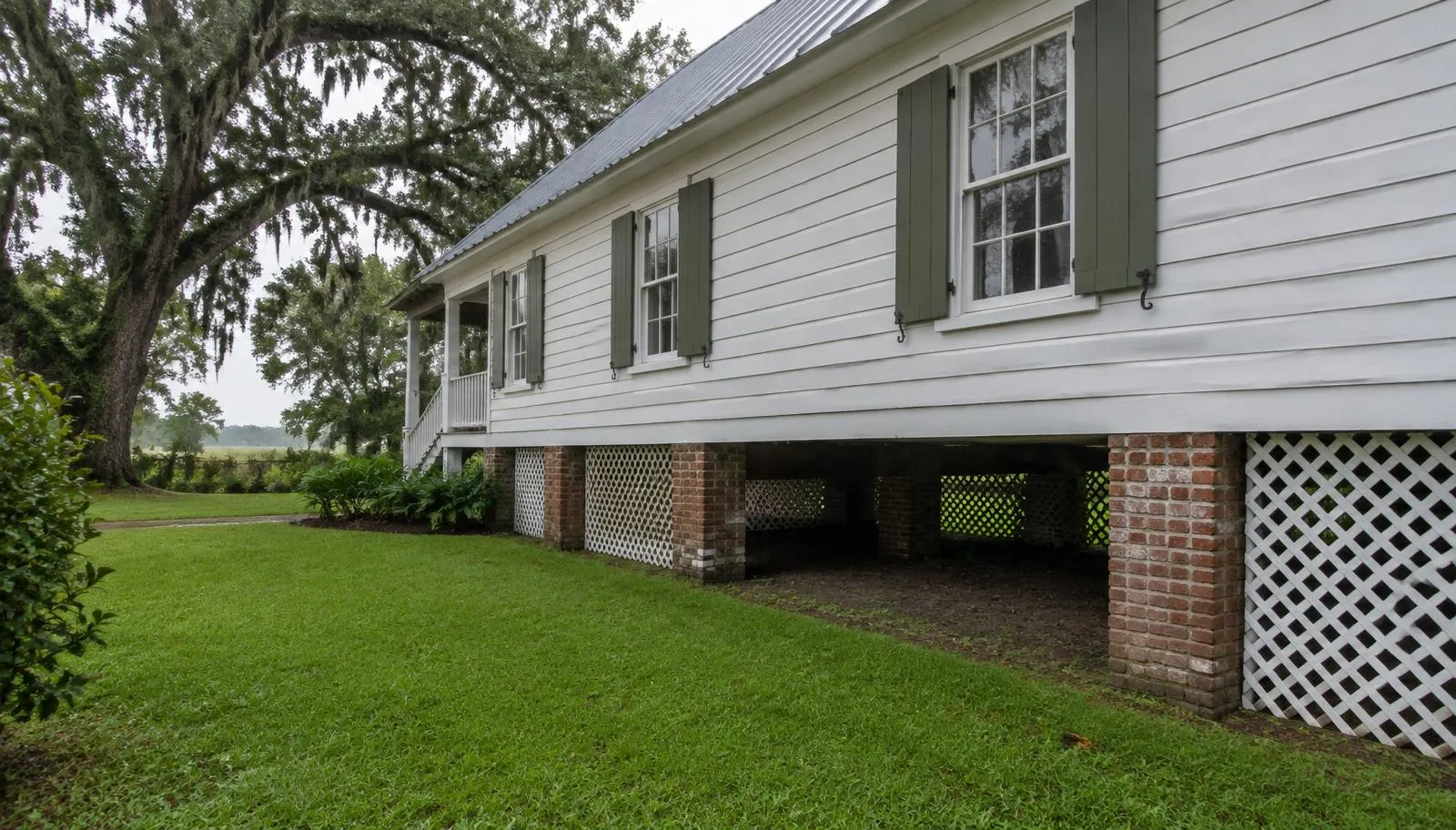
Louisiana home interior after professional mold inspection and clearance testing — DryMax provides lab-verified reports confirming safe mold levels for real estate, insurance, and peace of mind

When to Get Mold Testing — Common Scenarios for Louisiana Homeowners

Mold testing is not always necessary — visible mold on a small, contained area with a known moisture source that has been corrected may not require laboratory confirmation before remediation. However, several common Louisiana scenarios strongly benefit from professional mold testing. After any water damage event that was not professionally dried within 24 to 48 hours — a roof leak during a storm, a plumbing leak discovered after returning from vacation, AC condensate overflow, or flooding — testing can confirm whether mold has established before it becomes visible. In Louisiana humidity, the window for mold colonization after water exposure is short, and testing provides objective data when the timeline is uncertain.

Real estate transactions are the most common reason Louisiana homeowners request mold testing. Buyers want to know whether the home they are purchasing has a mold problem — especially in Louisiana where humidity creates constant mold pressure and water damage history is common. Sellers benefit from pre-listing mold testing that demonstrates the property is mold-free, avoiding deal-killing surprises during the buyer's inspection period. A lab-verified mold testing report provides objective documentation that protects both parties — far more reliable than a visual assessment alone or a DIY test kit with unknown accuracy.

Read more →

Health concerns are another frequent reason for mold testing. When household members develop persistent respiratory symptoms, increased allergy severity, or unexplained headaches and fatigue that improve when away from home, mold exposure is a possible cause that should be investigated. Medical providers often recommend environmental mold testing when patients present with symptoms consistent with mold sensitivity but cannot identify the source. Professional testing identifies whether mold is present, which genera, and at what concentrations — information that is directly relevant to medical evaluation and treatment decisions. Post-remediation clearance testing confirms that mold levels have been returned to normal ranges after professional remediation, providing documentation that the remediation was successful and the home is safe for occupancy.

Free Download

Mold Inspection Prep Checklist

What to do — and what not to do — in the 24 to 48 hours before your inspection, so your results are accurate, your visit is faster, and the answers you get are ones you can actually act on.

Drop your email and we'll send you the printable version — ready to check off before your inspector arrives.

DryMax technician inspecting a water-damaged floor

Do these things

  • Keep your normal routine — Run your AC or heat at the setting you actually use, day in and day out, so the readings reflect your real home.
  • Clear access to the key areas — Make the crawl space, attic, air handler, water heater, under-sink cabinets, and closet backs reachable.
  • Write down your water history — Past roof leaks, plumbing repairs, flooding, AC overflows, damp spots, or musty smells you have noticed.
  • Note any health symptoms — Include whether they improve when the family is away from home — that pattern is a powerful clue.
  • Close windows and doors ~2 hours before — Let the indoor air settle into a representative state before any sampling takes place.
  • Be available to answer questions — Point out the specific concerns that prompted the call — you know your home better than anyone.

Avoid these things

  • Deep-clean, scrub, vacuum, or bleach — Cleaning away the very evidence the test is meant to find makes your results less accurate.
  • Run air purifiers, humidifiers, or dehumidifiers — These actively strip spores and moisture from the air — turn them off roughly 24 hours beforehand.
  • Blast the HVAC right before sampling — Give the system a short rest so the air settles instead of being actively filtered mid-reading.
  • Open every window to "air it out" — Matching indoor air to outdoor air can mask a real indoor mold problem.
  • Hide "minor" observations or your history — A faint smell or a past leak is a map to the problem — small clues are often the most valuable.
  • Disturb visible mold or attempt DIY removal — Disturbing growth releases spores and removes the evidence the inspector needs to see.
Google Reviews

What Louisiana Homeowners Say

Real reviews from families we've helped recover from water, fire and mold damage across Louisiana.

G
“Within four hours of us knowing about the problem, DryMax was on the scene. They worked until midnight making sure no further damage would happen. I cannot say enough about their dedication.”
S. Sam
Eunice, LA · Water Damage Restoration
“Eric and his team were fantastic. They responded immediately when our water heater burst and flooded the garage and hallway. They explained the drying process, set up equipment, and came back daily to check moisture readings.”
Thomas K.
Mandeville, LA · Emergency Water Extraction
“Having DryMax remediate the huge amount of damage at our home has truly been a Blessing. The crew was professional, thorough, and communicated with us daily. I would give them 10 stars if I could.”
C. Cynthia
Lafayette, LA · Fire & Water Damage Restoration
“They did an amazing job. They minimized any further damage and had my home dried out effectively with meticulous attention to detail. Eric returned and did restorative cleaning on the carpets — they looked brand-new.”
Anna O.
Ville Platte, LA · Water Damage & Carpet Cleaning
“We had a problem with a leak and were unsure of the extent of the damage. They came right away, told us the extent of the damage and what steps should be taken from there. Very professional and meticulously clean.”
Felicia M.
Lafayette, LA · Water Damage Inspection
“They went above and beyond to fit me in their schedule. The crew was very polite, very clean, and very timely. I highly recommend them for any restoration work — you will not be disappointed.”
Michelle D.
Opelousas, LA · Water Damage Restoration
Common Questions

Mold Inspection and Testing FAQs — Louisiana

Questions we hear regularly from homeowners across Louisiana about mold testing.

Do I really need professional mold testing, or are DIY test kits sufficient?+

DIY mold test kits — the type sold at hardware stores where you leave a petri dish out and watch for growth — are essentially worthless for diagnostic purposes. They cannot measure spore concentrations, cannot distinguish between normal background spores and elevated indoor levels, cannot identify hidden mold growth, and have no quality control over collection or analysis. Worse, they can produce false positives (mold always grows on the growth medium because spores are everywhere) that create unnecessary alarm, or false negatives that provide false reassurance. Professional testing uses calibrated air sampling pumps, standardized collection protocols, and independent laboratory analysis — the only method that produces reliable, actionable data.

How much does professional mold testing cost in Louisiana?+

Cost depends on the size of the property and the number of samples required for a meaningful assessment. A basic inspection with two indoor air samples and one outdoor baseline typically ranges from $350 to $500. A comprehensive whole-home assessment with multiple indoor samples, surface swabs of visible growth, moisture mapping, and a detailed report typically ranges from $600 to $1,200. The cost is primarily driven by the number of laboratory samples — each sample incurs a lab analysis fee. We provide a clear estimate before any work begins based on the specific scope recommended for your situation.

How long does it take to get mold testing results back?+

Standard turnaround for air sample laboratory analysis is 3 to 5 business days. Rush analysis with 24 to 48-hour turnaround is available for an additional fee. Surface swab and tape lift analysis typically takes 5 to 7 business days. We provide the laboratory report directly with our interpretation and recommendations — you receive both the raw data and our professional assessment of what it means for your specific situation.

What is the difference between mold inspection and mold testing?+

Mold inspection is the visual and instrumental assessment of a property — walking through every room, using moisture meters and infrared cameras to locate hidden moisture, identifying areas of visible mold growth, and evaluating conditions that create mold risk (ventilation, humidity levels, water intrusion points). Mold testing is the collection and laboratory analysis of samples — air samples, surface swabs, tape lifts — that provide objective data about mold types and concentrations. A complete mold assessment includes both: the inspection identifies where to sample and provides context for interpreting the results, and the testing provides laboratory-verified data that confirms or refines the visual findings.

Will mold testing tell me if mold is making my family sick?+

Mold testing identifies which mold genera are present and at what concentrations — it does not diagnose health conditions. However, the data from professional testing is valuable for medical evaluation. Elevated concentrations of genera known to produce mycotoxins (such as Stachybotrys chartarum, often called black mold), high overall spore counts indicating significant indoor amplification, or the presence of genera that are known allergens or asthma triggers — this information helps your healthcare provider understand your exposure profile. We recommend sharing your mold testing report with your doctor. The report identifies what you are being exposed to; your doctor determines whether and how that exposure is affecting your health. Have a question about mold testing in your Louisiana home? We're here to help.

Need Mold Testing in Your Louisiana Home? Call 337-857-3670

Whether you are buying or selling a home, concerned about musty odors, dealing with unexplained allergy symptoms, or need post-remediation clearance testing — professional mold testing provides the objective, lab-verified data you need to make informed decisions. Serving New Orleans, Baton Rouge, Lafayette, Lake Charles, and 40+ towns across Louisiana. Call to schedule your inspection.

Call 337-857-3670 Now

Request Help