A musty odor is often the first and only sign of hidden mold. In South Louisiana's climate, it usually points to a specific moisture problem that can be found and fixed. This guide explains what causes the smell, where to look and how testing confirms the source.
What you are actually smelling
The earthy, stale smell people describe as musty comes from microbial volatile organic compounds, often shortened to MVOCs. These are gases that mold and some bacteria release as they digest material such as wood, paper-faced drywall, dust and carpet backing.
Because MVOCs are released only by actively growing organisms, a persistent musty odor generally means something is wet enough, for long enough, to support growth. The smell is not the problem itself. It is a signal that a moisture problem exists somewhere in the building.
Not every odor is mold. Dry drain traps, a dirty dishwasher filter, damp laundry and stale HVAC filters can all produce similar smells. The difference is that a mold odor tends to return in the same area after cleaning, and often gets stronger after rain or on humid days.
Why Louisiana homes are prone to it
Mold needs moisture, a food source and moderate temperatures. Louisiana provides all three for most of the year. Outdoor relative humidity in South Louisiana commonly sits above 75 percent, and summer dew points are among the highest in the country.
The EPA recommends keeping indoor relative humidity below 60 percent, ideally between 30 and 50 percent. Many Louisiana homes run above that during shoulder seasons, when the air conditioner cycles less often and removes less moisture, or when a system is oversized and short-cycles.
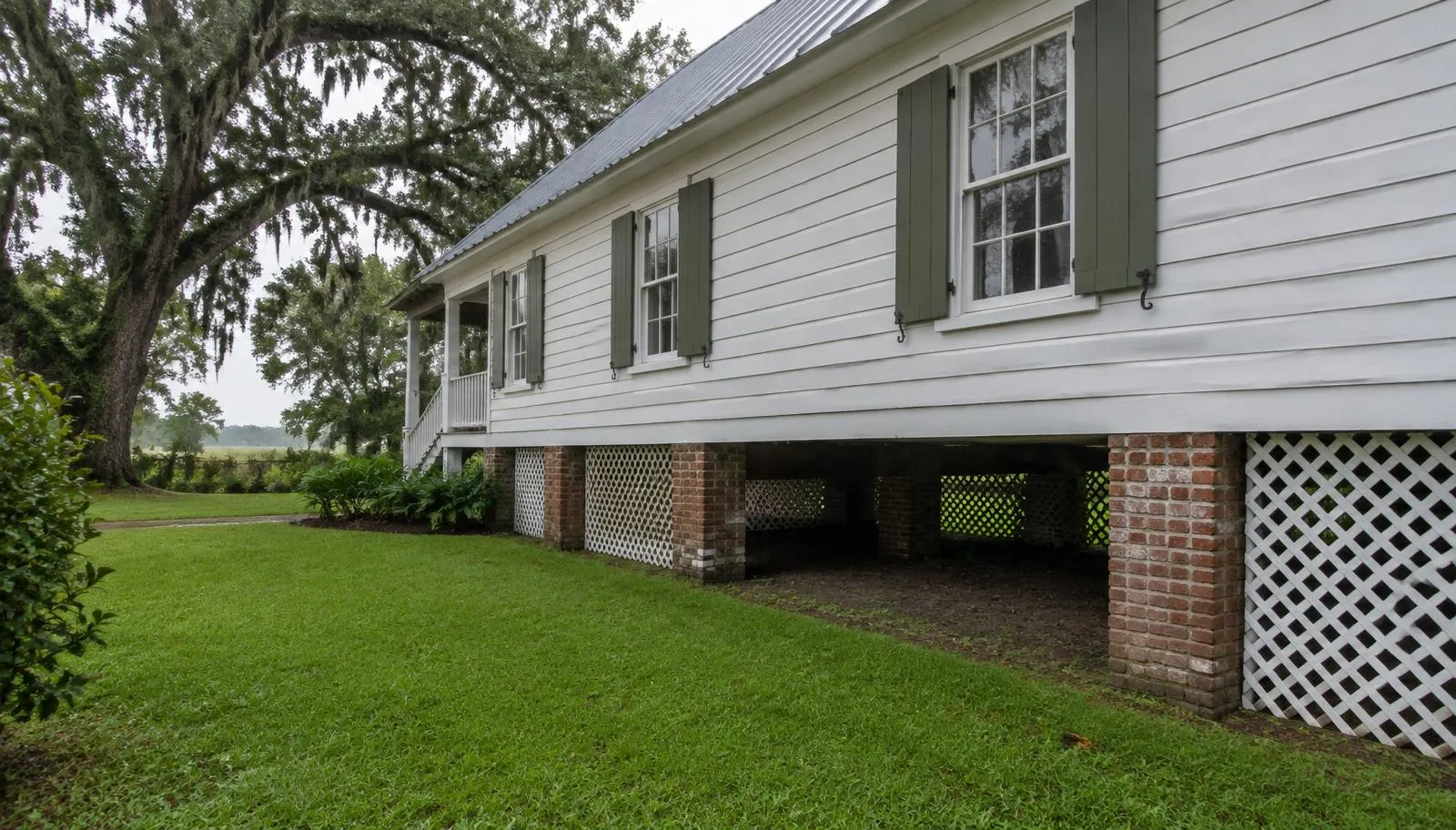
Older homes add another factor. Raised Creole and Acadian cottages, shotgun houses and many mid-century homes sit on piers over a crawl space. That design was built for air movement, but it also means the underside of the floor sits directly above damp soil.
The most common hidden sources
When we trace a musty smell, the source is usually in one of a small number of places.
- Crawl space soil, joists and subfloor under the house
- The air handler, coil and return plenum
- Behind baseboards and lower drywall after an old leak
- Under sinks and behind dishwashers and refrigerators
- Attic decking above a bathroom or poorly vented area
- Closets on exterior walls with little air movement
- Carpet pad over a slab with a slow leak
Crawl spaces deserve special attention
Air moves upward through a house in what building scientists call the stack effect. In a raised home, some of the air you breathe on the first floor has passed through the crawl space on its way up, carrying moisture and odors with it.
In a Louisiana crawl space, humid outdoor air meets cooler wood framing and the underside of an air-conditioned floor. Condensation forms on joists and ductwork, and exposed soil keeps adding moisture. The result is often surface mold on joists, sagging or wet insulation, and a persistent musty smell in the rooms above.
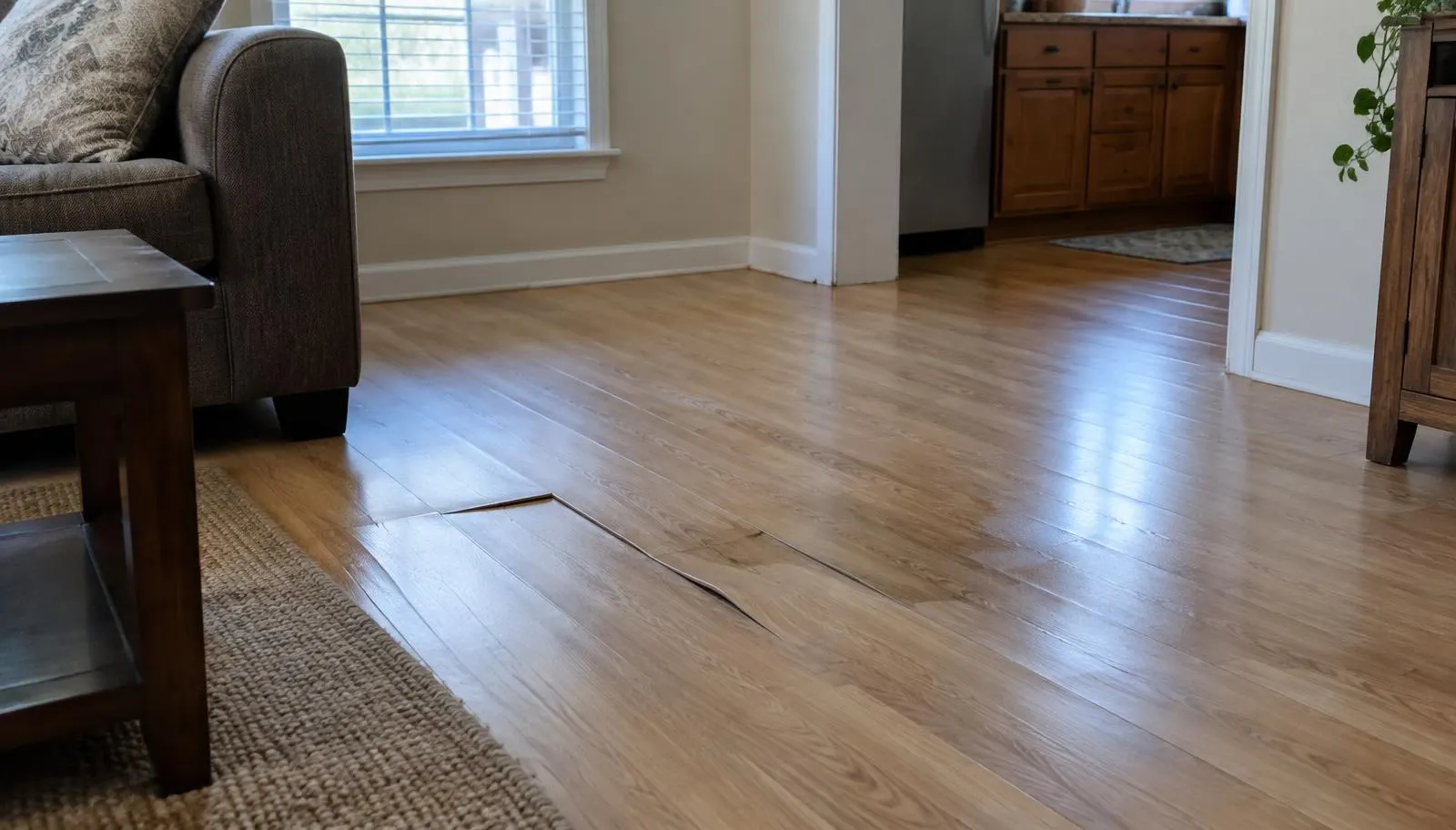
Signs that the crawl space is involved include odors strongest near floor vents or the floor itself, cupping in wood floors, damp or hanging insulation, and standing water after heavy rain. Correcting it often involves a combination of drainage, a ground vapor barrier, sealing or conditioning the space, and mold remediation of affected framing.
When the HVAC system is the source
The air handler is cool, dark and constantly wet during the cooling season. Growth can develop on the coil, in the drain pan, on duct liner or inside the return plenum. When it does, the smell is often strongest right after the system starts, and it spreads throughout the house through the ducts.
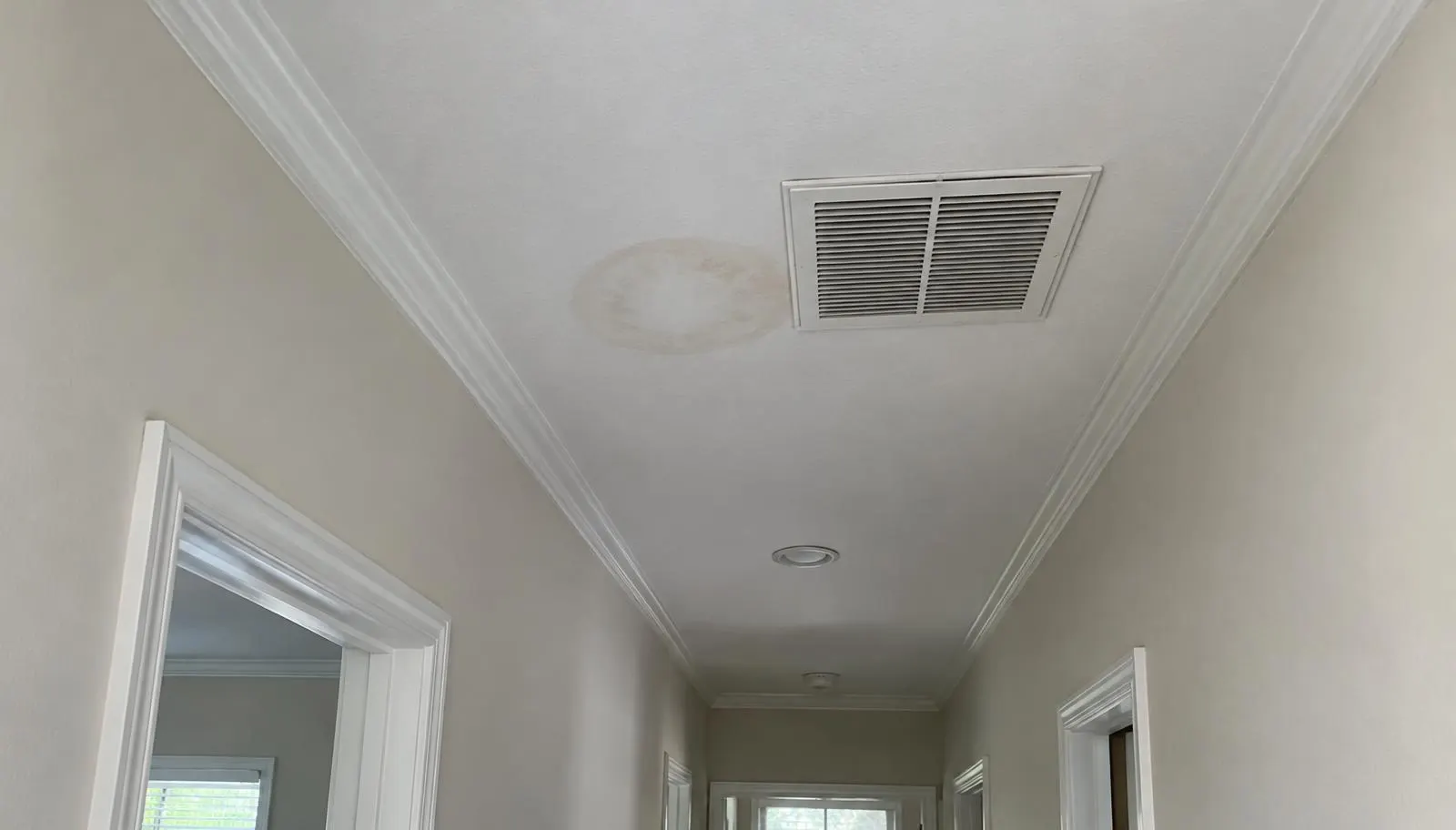
Condensate problems are closely related. An overflowing pan can wet the platform, insulation and drywall around the unit, which we cover in our article on AC leaks through the ceiling.
Why store-bought test kits mislead
Mold spores are present in virtually every indoor and outdoor environment. A settle-plate kit left open on a counter will nearly always grow something, which tells you very little. It does not compare indoor levels to outdoor levels, identify a hidden source, or tell you whether conditions inside are abnormal.
Professional mold testing is designed to answer specific questions: is there a problem, where is it, and how significant is it?
How professional mold testing works
A good inspection begins with a conversation about the history of the home: past leaks, storms, renovations, and when and where the smell is strongest. That is followed by a visual inspection and moisture mapping with meters and thermal imaging.
Sampling is chosen to fit the situation.
- Air samples compared against an outdoor baseline
- Wall-cavity air samples to check behind finished surfaces
- Tape or swab samples to identify visible growth
- ERMI or HERTSMI-2 dust analysis for health-sensitive households
Reading the results
Samples are analyzed by an independent laboratory. The report should explain which organisms were found, how indoor levels compare to outdoors, and whether any water-damage indicator species were present, along with where the inspector believes the source is.
If remediation is needed, the plan should address the moisture source first. Removing mold without fixing the water that fed it almost guarantees that it will return. For households dealing with chronic health symptoms, our CIRS mold testing page explains the more detailed testing some physicians request.
Practical steps you can take today
These steps will not remove existing mold, but they reduce the moisture that allows it to grow.
- Use a hygrometer to check indoor humidity in several rooms
- Run bathroom fans during and for 20 minutes after showers
- Keep crawl space vents and lattice clear of debris and plants
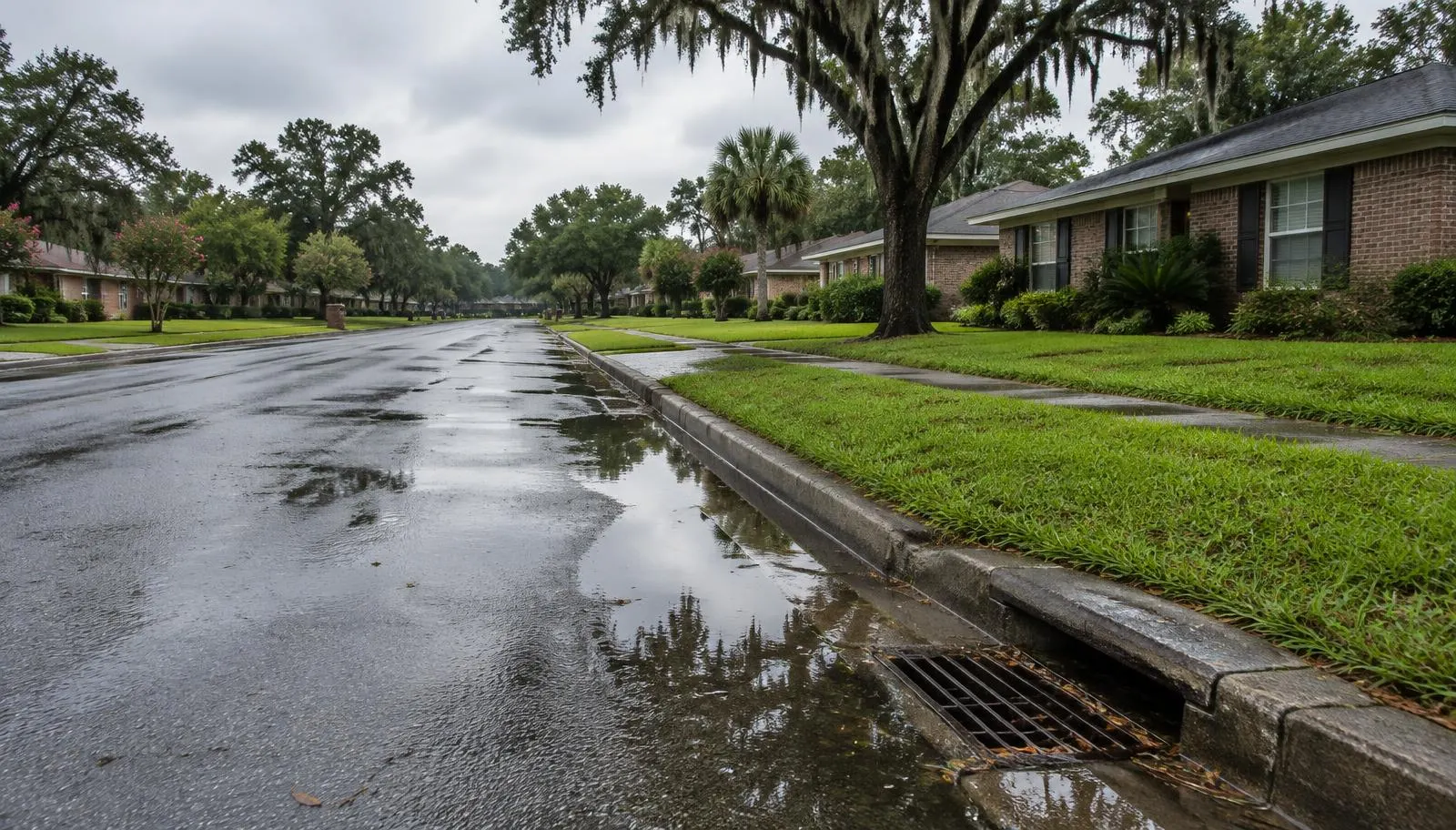
- Make sure gutters and grading move water away from the foundation
- Have your HVAC coil and drain pan inspected each spring
Local inspections across South Louisiana
DryMax offers mold testing in Lafayette and New Orleans, and mold remediation in Baton Rouge, along with service in raised-home communities such as New Iberia, Opelousas, St. Martinville and Breaux Bridge. If the smell started after flooring began to lift, read about slab leak warning signs.
Common questions
Is a musty smell always mold?+
No, but a persistent musty smell that returns after cleaning, or worsens on humid days, usually indicates microbial growth somewhere in the home. Testing identifies the source.
Is it safe to stay in a house that smells musty?+
Most people can, but sensitivity varies. People with asthma, allergies, weakened immune systems or chronic symptoms should talk to their physician and consider testing sooner.
Will a dehumidifier fix a musty smell?+
Lowering humidity helps prevent new growth, but it will not remove existing mold or fix a leak. The moisture source needs to be found and corrected.
Need help with this now?
Our IICRC-certified team serves homes and businesses across Louisiana. Learn more about our Mold Testing service.
Call 337-857-3670