Questions we hear regularly from homeowners across Louisiana dealing with mold problems.
Does homeowners insurance cover mold remediation?+
Coverage depends on the cause of the mold. If mold results from a covered peril — such as water damage from a burst pipe, appliance overflow, or storm-related roof leak — remediation may be covered. Mold resulting from ongoing maintenance issues, long-term humidity, or gradual leaks is typically not covered. Coverage limits for mold remediation are often lower than general policy limits and vary significantly by carrier and policy. We recommend reviewing your specific policy and filing a claim promptly. We provide the documentation adjusters need — moisture readings, mold testing results, remediation scope of work, and clearance verification — regardless of whether coverage applies.
Can I clean mold myself with bleach?+
The EPA and IICRC both recommend professional remediation for mold growth exceeding 10 square feet. For smaller areas, surface cleaning may be adequate — but with important caveats. Bleach is not recommended for porous materials because its high water content can actually feed mold growth deeper into the material, and bleach does not penetrate porous surfaces to reach mold roots. Household cleaners kill surface mold but again do not reach hyphae embedded in materials. Most importantly, in Louisiana humidity, any remaining moisture from cleaning creates conditions for rapid regrowth. If you can see mold on multiple surfaces, smell musty odors you cannot locate, or have family members with respiratory symptoms, the affected area is likely larger than is safe to address with DIY methods.
How do I know if I have a mold problem if I cannot see it?+
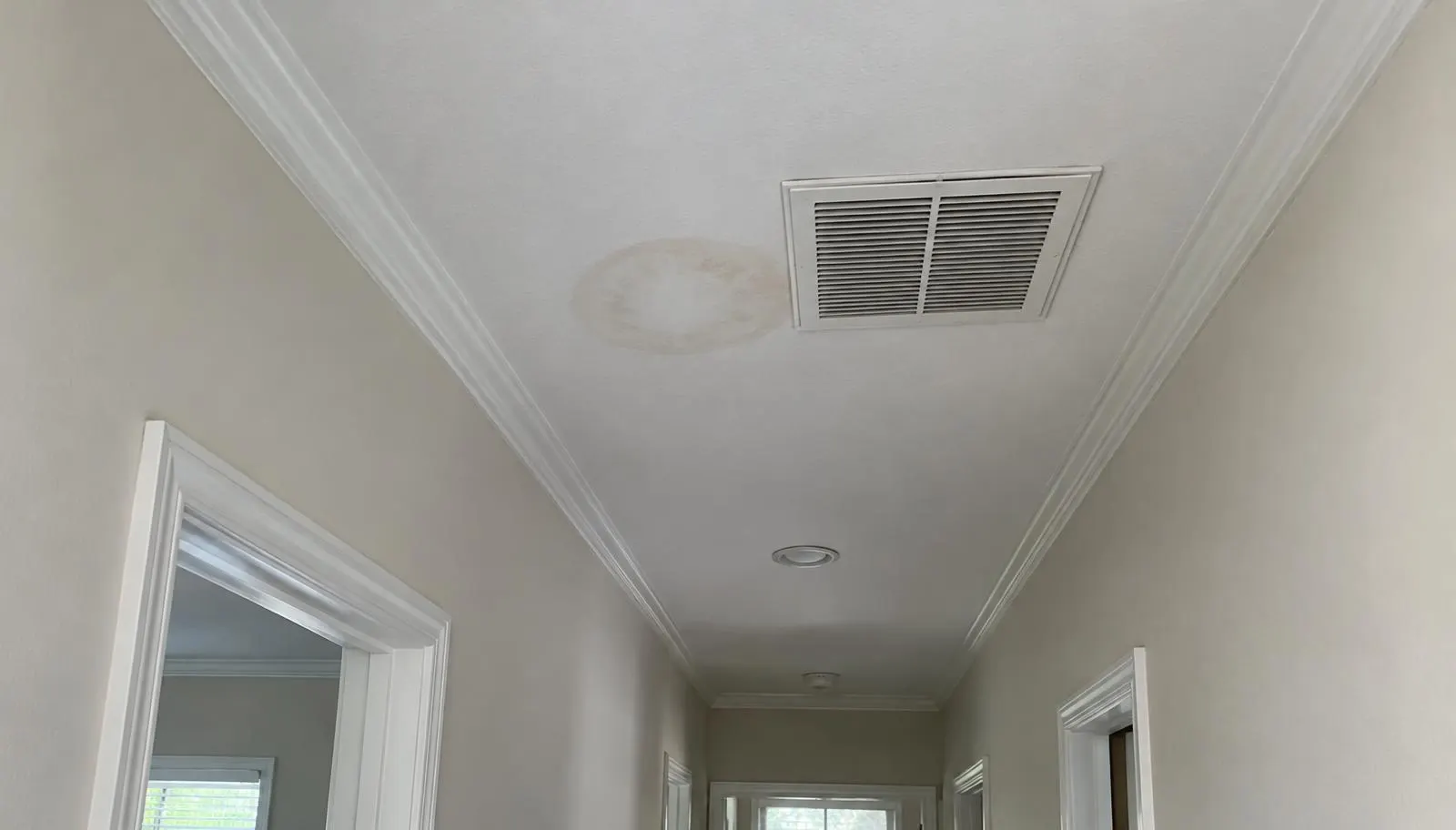
Hidden mold often produces telltale signs: persistent musty or earthy odors that you cannot locate, increased allergy or respiratory symptoms among household members (especially when at home), visible water stains or discoloration on walls, ceilings, or baseboards, peeling or bubbling paint or wallpaper, warped flooring or baseboards, and condensation on interior walls or windows that persists. In Louisiana, any area that has experienced water intrusion — a roof leak, plumbing leak, AC condensate overflow, or flooding — and was not professionally dried within 24 to 48 hours should be suspected of harboring mold. Professional mold testing with air sampling and surface swabs can confirm whether mold is present, identify the species and concentrations, and determine whether levels are elevated compared to outdoor baseline.
How long does mold remediation take?+
Timeline depends on the extent of contamination. A contained bathroom remediation with a single moisture source typically takes 2 to 3 days — setup and containment day one, removal and antimicrobial treatment day two, clearance verification day three. A whole-home remediation involving multiple rooms, HVAC contamination, and multiple moisture sources can take 1 to 3 weeks. The most common variable is what comes after remediation — replacing removed drywall, flooring, and finishes is a separate scope handled by the contractor the customer chooses. We provide a detailed timeline estimate during the initial assessment based on the specific conditions found in your home.
Do I need to leave my home during mold remediation?+
For contained remediation of a limited area — a single bathroom, a section of a basement, one room — you can typically remain in the home. The containment barrier with negative air pressure isolates the work area, and HEPA air scrubbers maintain air quality in the rest of the home. For extensive remediation involving multiple rooms, HVAC system contamination, or occupants with mold sensitivity, respiratory conditions, or compromised immune systems, temporary relocation is recommended. We assess each situation individually and provide clear guidance based on the scope of work and the health considerations of your household. Have a question about mold remediation in your Louisiana home? We're here to help.