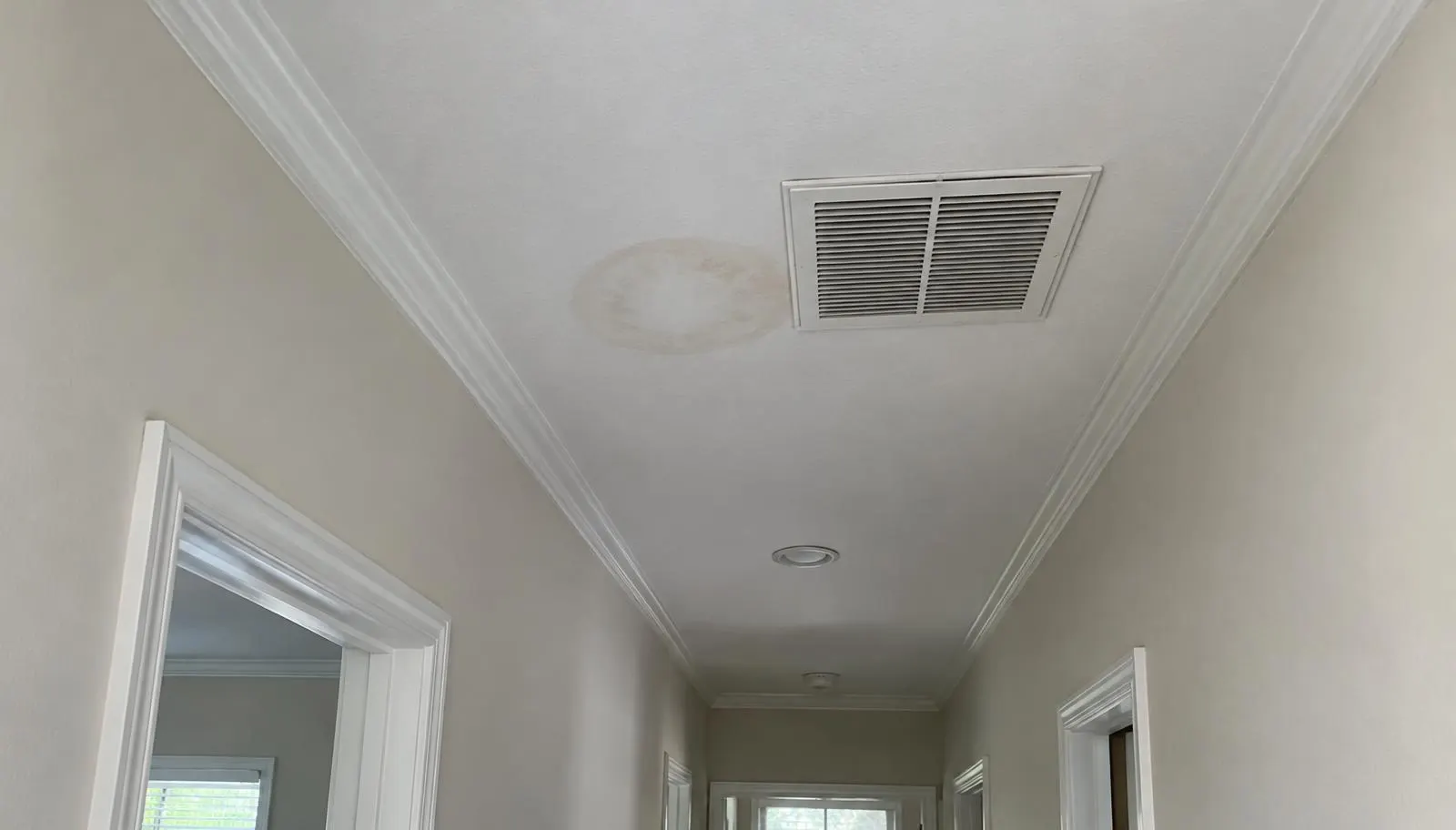
In much of South Louisiana, the air handler sits in the attic and produces gallons of condensate every summer day. When that water cannot drain, it ends up in the ceiling below. Here is how it happens, what to do first, and how the damage is properly dried.
How much water your air conditioner produces
An air conditioner cools by pulling heat and moisture out of indoor air. As warm air passes over the cold evaporator coil, water vapor condenses on the coil and drips into a primary drain pan, which empties through a condensate line to the outside or into a plumbing drain.
In a dry climate that is a modest amount of water. In South Louisiana, where outdoor dew points regularly sit in the mid-70s through the summer, a typical residential system can remove anywhere from several gallons to more than 20 gallons of water a day. That water has to go somewhere, every day, for six or seven months of the year.
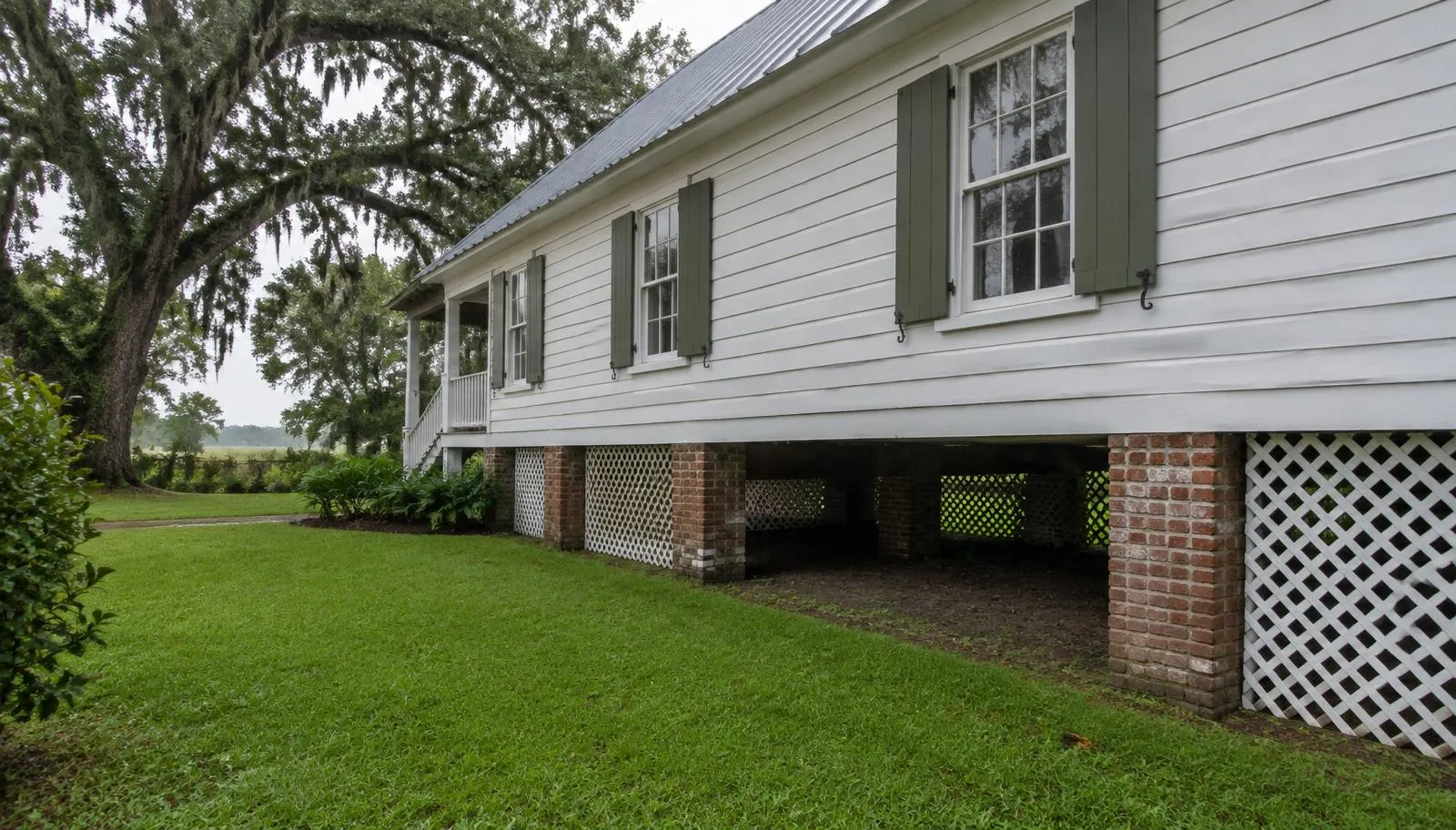
When the air handler is installed in the attic, which is common in homes across Lafayette, Baton Rouge and the New Orleans suburbs, any interruption in that drainage sends water directly onto the ceiling below.
The most common causes of a leak
Nearly every AC ceiling leak we see traces back to one of a handful of problems.
- A condensate line clogged by algae, sludge or debris
- A rusted or cracked secondary drain pan under the unit
- A float or safety switch that is missing, disconnected or stuck
- A disconnected drain fitting or sagging line in the attic
- A frozen evaporator coil that melts all at once
- Ductwork sweating in a hot attic and dripping onto insulation
Why the clogged drain line is so common here
Condensate is warm, slow-moving water in a dark pipe, which is ideal for biological growth. Over a long cooling season, a slimy mat of algae and bacteria builds up inside the line until it partially or fully blocks it. The primary pan then fills and overflows into the secondary pan.
Modern codes call for a backup, either a secondary pan with its own drain or a float switch that shuts the system off when water rises. In older installations, those protections may be missing or may have failed. A secondary pan that has slowly rusted through over 15 summers offers no protection at all.
The secondary drain often discharges over a window or eave. If you notice water dripping from that outlet, your primary line is already blocked and should be cleared before the backup fails too.
What to do the moment you see water
A sagging or dripping ceiling is a safety issue as much as a water issue. Saturated drywall is heavy and can come down without warning, and wet ceilings often contain light fixtures.
- Turn the thermostat off to stop new condensate
- Turn off power to any light fixture in the wet area at the breaker
- Move furniture and electronics out from under the stain
- Place a bucket and towels below any active drip
- Do not stand directly under a bulging ceiling
- Photograph the stain and the attic unit for your records
What happens in the attic and ceiling cavity
By the time a stain appears on the ceiling, the water has already passed through attic insulation and soaked into the back of the drywall. Blown-in cellulose absorbs water and compacts, losing much of its insulating value. Fiberglass batts hold water against the drywall like a sponge.
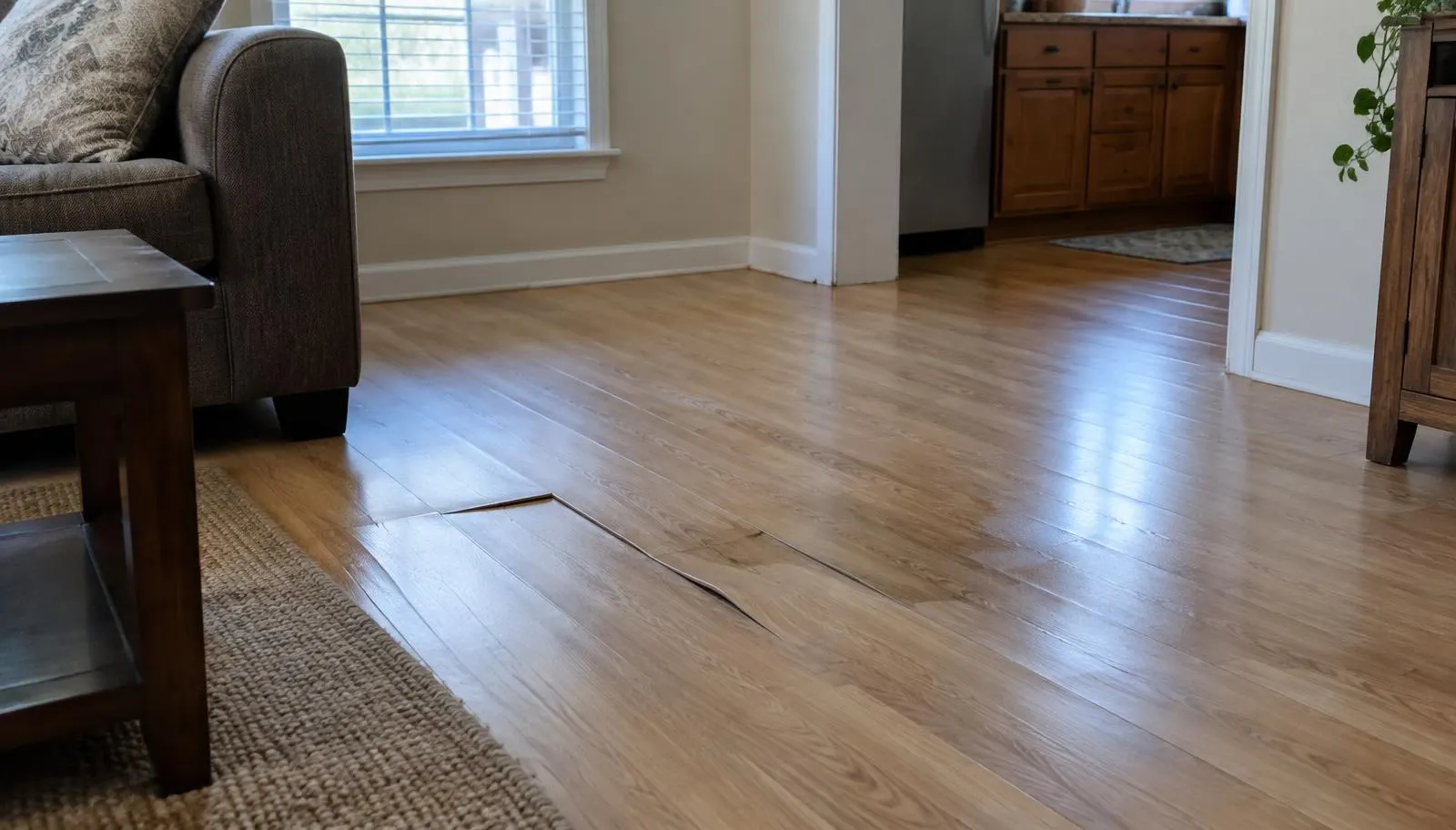
The ceiling joists and top plates of interior walls can also take on moisture, and water frequently travels along a joist before dripping, so the visible stain may be several feet from the actual overflow point. Water may also run down inside a wall cavity, showing up later as bubbling paint or a swollen baseboard on the floor below.
Attic temperatures in a Louisiana summer can exceed 130 degrees. Warm, wet insulation sitting on drywall is the kind of condition where mold can begin within 24 to 48 hours, which is why a ceiling leak should be dried promptly rather than left to air out.
How the damage is properly dried
Professional water damage restoration begins with moisture mapping from both sides: from the room below with meters and thermal imaging, and from the attic, where wet insulation is identified by hand and by reading.
Wet insulation is usually removed and bagged, because it rarely dries well in place and loses its performance once compacted. Ceiling drywall that has sagged, softened or crumbled at the seams is cut out. Drywall that is still firm can often be dried in place once the insulation above it is cleared.
Drying continues until readings match unaffected areas of the same material. Only then is new insulation installed and the ceiling repaired. Skipping that verification is a common reason stains reappear or musty smells develop months later.
When mold is part of the picture
If the leak was slow, the ceiling has a musty odor, or dark spotting appears on the drywall or roof decking, mold may already be present. Small areas of surface growth on framing can be cleaned during drying, but anything larger should be handled under containment as part of mold remediation.
If you are unsure whether growth occurred, testing after drying gives a clear answer. Our article on musty smells and hidden mold covers what that testing involves.
Preventing the next leak
Most AC ceiling leaks are preventable with routine maintenance, ideally in the spring before the heaviest cooling months.
- Have your HVAC contractor flush the condensate line each season
- Confirm a float switch is installed and actually shuts the unit off
- Inspect the secondary pan for rust, cracks or standing water
- Watch the secondary drain outlet for dripping
- Replace filters on schedule to prevent coil freezing
Getting help locally
DryMax handles ceiling and attic water damage for homeowners in Lafayette, New Orleans and the surrounding area, including Carencro, Scott, Youngsville and Metairie. If your water is coming up through the floor rather than down through the ceiling, read our guide to slab leak warning signs.
Common questions
Is an AC leak through the ceiling an emergency?+
Treat it as urgent. Turn off the system and any light fixture in the area. Saturated drywall can fall, and wet insulation in a hot attic can support mold growth within a day or two.
Can I just let the ceiling dry on its own?+
Surface drywall may look dry within days, but insulation and framing above it often stay wet much longer. Moisture readings are the only reliable way to know it is truly dry.
Will insurance cover AC water damage?+
Many policies cover sudden water damage from an appliance overflow but may exclude damage from long-term neglect or gradual leaks. Check your policy; we work with your insurance and document the damage.
Need help with this now?
Our IICRC-certified team serves homes and businesses across Louisiana. Learn more about our Water Damage Restoration service.
Call 337-857-3670