Most homes built across South Louisiana since the 1960s sit on a concrete slab with water lines running beneath it. When one of those lines fails, the leak is hidden by design. This guide explains how slab leaks develop, the symptoms that reveal them, and what happens after one is confirmed.
What a slab leak actually is
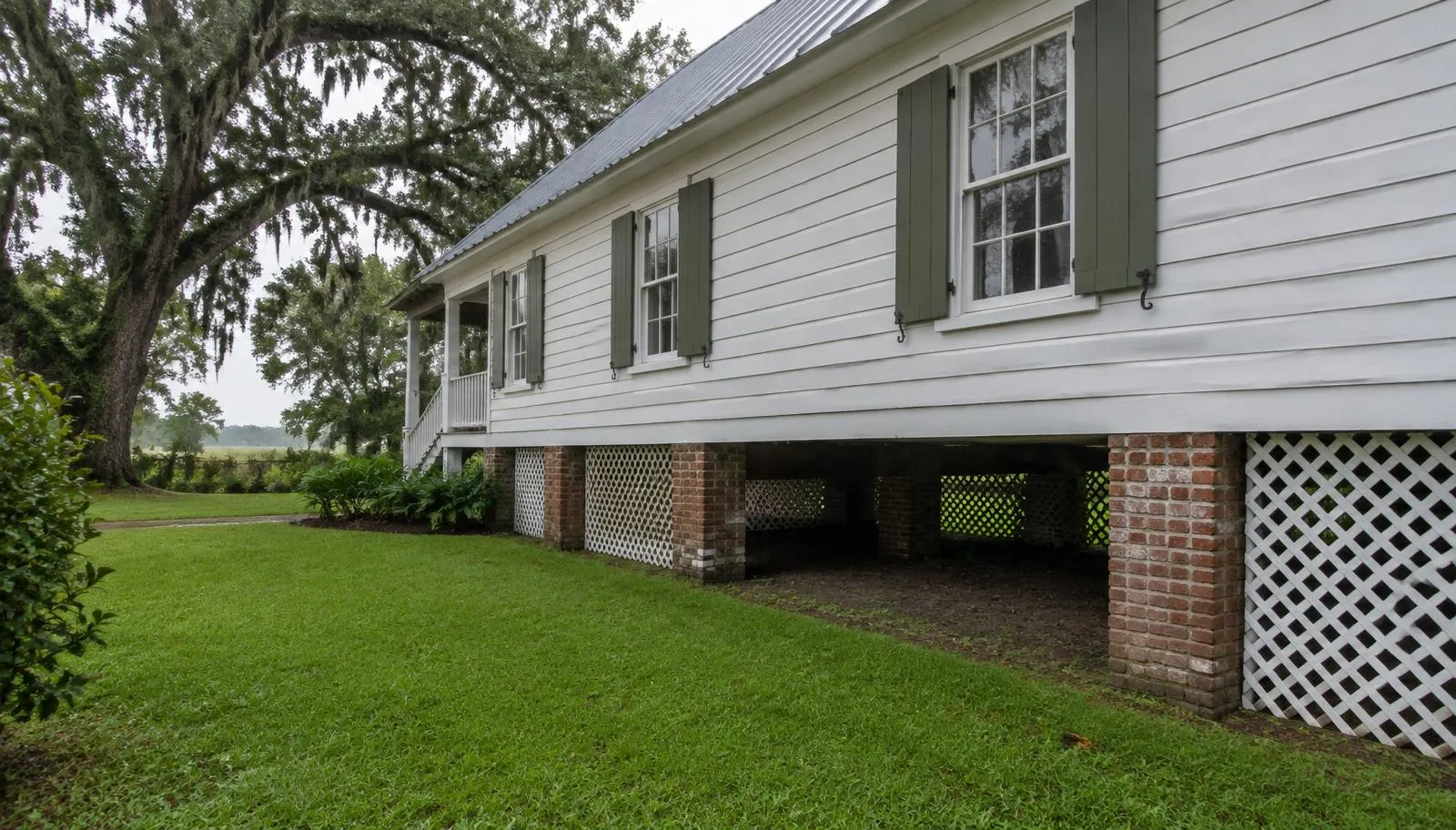
A slab leak is any leak in a supply or drain line that runs under or through a home's concrete foundation. In a typical slab-on-grade house, the copper or PEX supply lines are laid in the soil or sand bed before the concrete is poured. Hot and cold lines travel under the slab to the kitchen, bathrooms and laundry, and the cast iron or PVC drain lines run beneath the same floor to the sewer connection.
Because nothing about those lines is visible, a failure can run for weeks. Water released under a slab has three places to go: down into the soil, sideways along the sand bed, or up through the concrete by capillary action. That last path is what eventually shows up inside the house, as damp flooring, swelling baseboards and musty odors.
Slab leaks are one of the most common sources of hidden water damage we see in single-story homes across Acadiana and Southwest Louisiana, especially in subdivisions built from the 1970s through the early 2000s.
Why South Louisiana slabs are especially vulnerable
Several local conditions combine to make slab leaks more common here than in many parts of the country.
The first is soil. Large parts of South Louisiana sit on expansive clay soils that swell when wet and shrink during dry spells. A wet spring followed by a hot, dry late summer can move a slab slightly. Pipes that are bedded rigidly under the concrete take that stress, and over years it can open a joint or crack a fitting.
The second is water chemistry and age. Copper lines installed decades ago can develop pinhole leaks from the inside out, particularly at bends and where hot water velocity is high. Hot-side lines tend to fail first because heat speeds corrosion and causes repeated expansion and contraction.
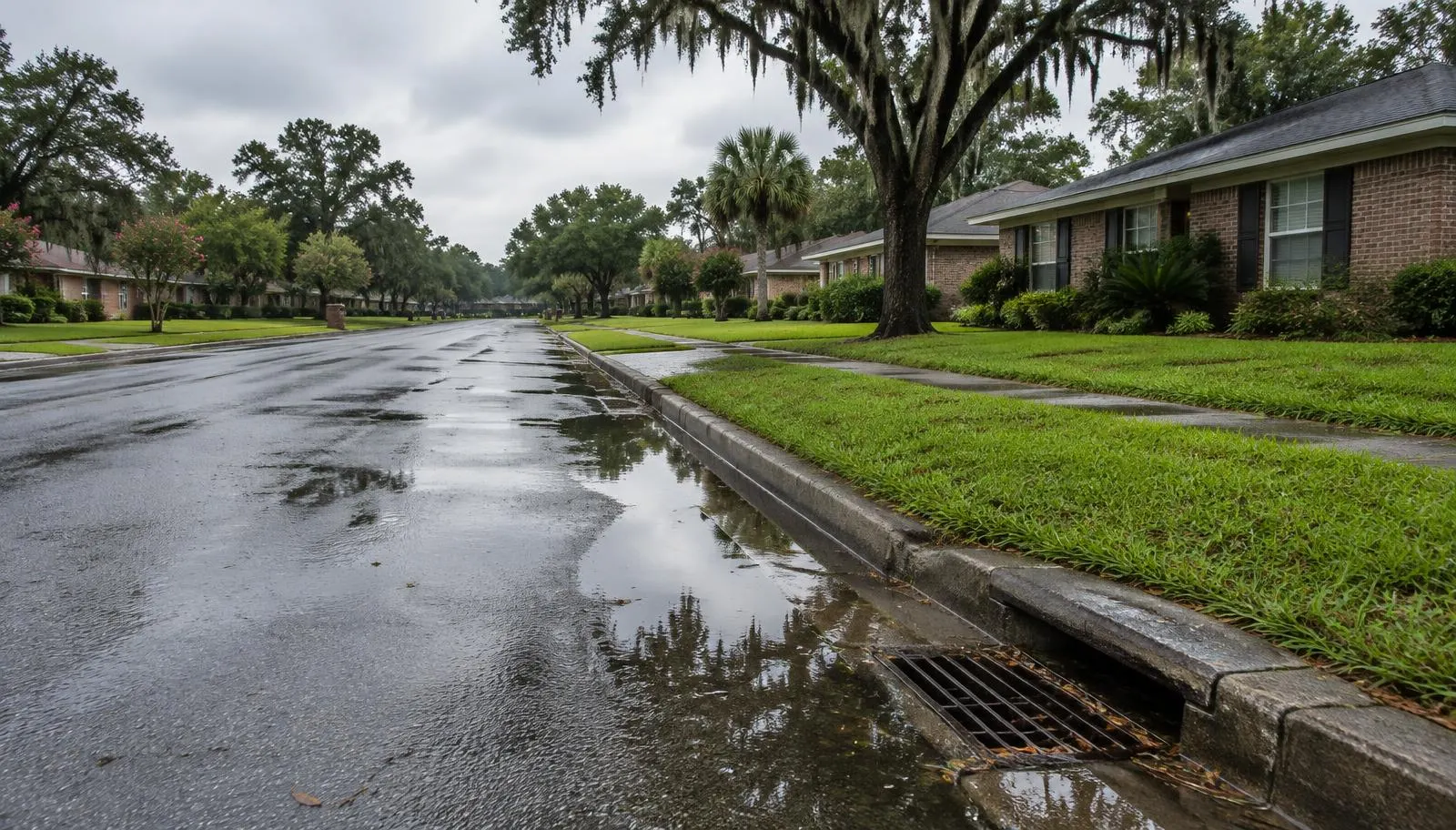
The third is ground moisture. A high water table and frequent heavy rain keep soil under many Louisiana homes damp most of the year. That moisture can mask a leak in its early stage, because the slab already reads slightly damp at the edges, and it slows the soil's ability to absorb the extra water.
- Expansive clay soils that move with wet and dry seasons
- Aging copper supply lines prone to pinhole corrosion
- Hot water lines under constant thermal stress
- High water tables that hide early moisture
The warning signs, from earliest to latest
Slab leaks rarely announce themselves all at once. Symptoms tend to appear in a predictable order, and the earlier ones are easy to dismiss. Any one of the signs below is worth investigating. Two or more together make a slab leak much more likely.
- A water bill that climbs with no change in household use
- The sound of running water when every fixture is off
- A warm or hot spot on tile or concrete, often in a straight line
- A water heater that seems to run constantly
- Low water pressure at one or more fixtures
- Damp or discolored carpet pad with no visible source
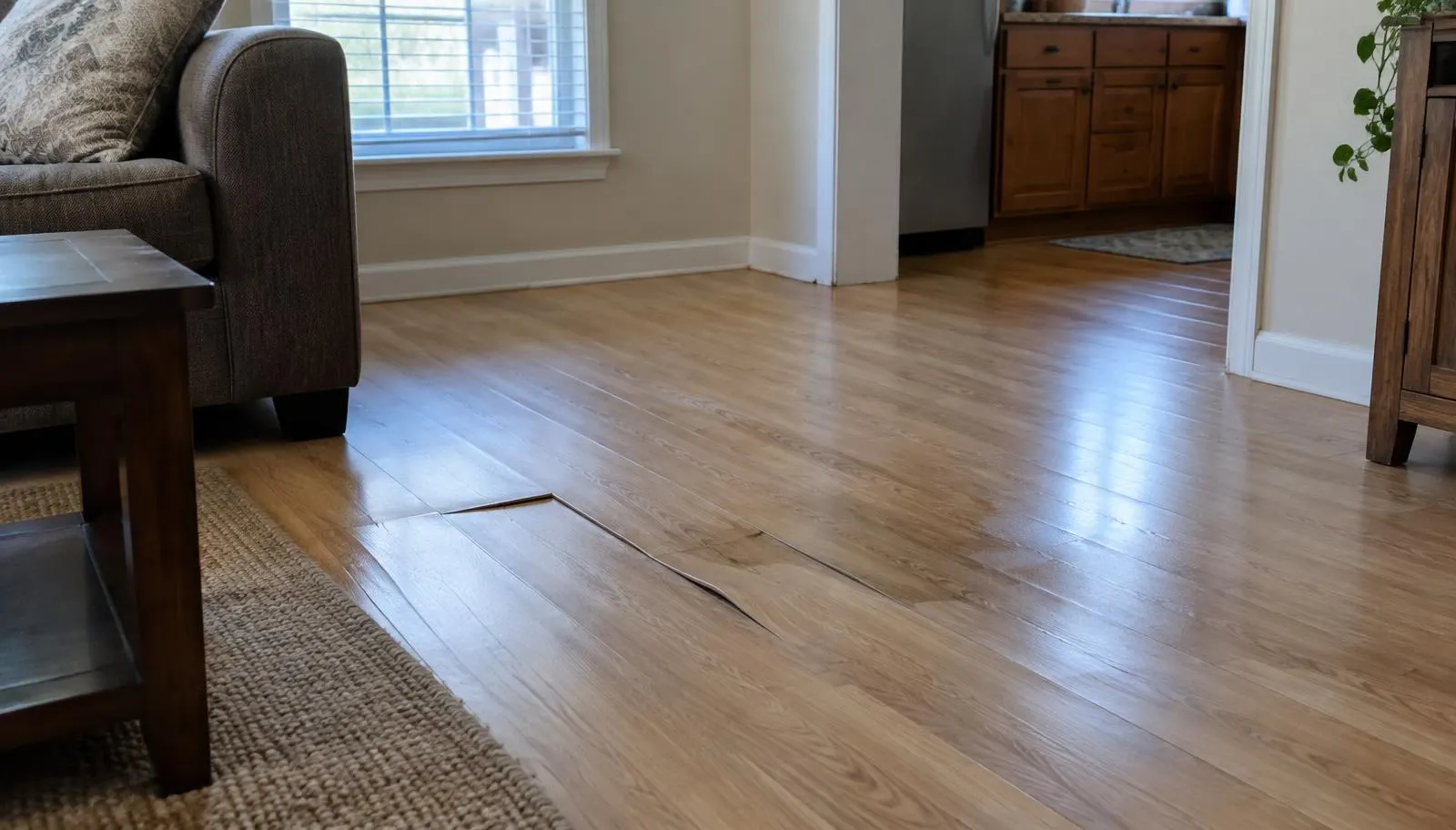
- Laminate or wood planks that cup, crown or separate
- Baseboards that swell, soften or pull away from the wall
- A musty smell near the floor in one area of the house
- New cracks in tile grout or along the slab edge
How to run a simple meter test
Before calling anyone, you can confirm whether water is escaping somewhere in the system. Turn off every faucet, appliance, ice maker and irrigation zone. Then find your water meter, usually in a box near the street, and note the reading or watch the small leak indicator dial.
Wait 30 to 60 minutes without using any water. If the meter has moved or the indicator is spinning, water is leaving the system. A running toilet flapper is the most common innocent cause, so check those first by adding a few drops of food coloring to each tank and waiting to see whether the color reaches the bowl.
If the toilets are sound and the meter still moves, the leak may be in the yard line between the meter and the house, inside a wall, or under the slab. Shutting off the main valve at the house and watching the meter again helps narrow it: if the meter stops, the leak is inside the home.
What a professional assessment involves
Locating the exact pipe is a job for a licensed plumber, often using acoustic listening equipment, pressure tests on isolated lines and thermal imaging to follow the heat signature of a hot-side leak. The goal is to open as little concrete as possible.
Our part of the work is everything the water has already touched. Once the source is found, we map moisture across the slab and into the walls with meters and thermal cameras. That map shows how far water has wicked into drywall, cabinets, baseboards and flooring, which is often much farther than the visible damage suggests.
The map also matters for your insurance. Many policies treat the damage caused by a sudden plumbing leak differently from the repair of the pipe itself, and clear documentation helps that conversation. DryMax works with your insurance and provides moisture readings and photos throughout the job.
Repair options for the pipe
There are generally three ways a plumber repairs a slab leak, and the right choice depends on the pipe's age, the number of prior leaks and the home's layout.
- Spot repair: open the slab at the leak and replace the failed section
- Reroute: abandon the line under the slab and run new pipe through walls or attic
- Repipe: replace the home's supply lines when multiple leaks suggest the system is failing
- Epoxy lining: coat the pipe interior, an option in some situations
Drying the slab and the rooms above it
A concrete slab holds a remarkable amount of water and gives it up slowly. Simply fixing the pipe does not dry the home. Wet flooring adhesives, carpet pad, baseboards and the bottom of drywall will continue to release moisture into the room for weeks, and in Louisiana's humidity that is enough to support mold growth.
Structural drying follows the IICRC S500 standard. In practice that means removing materials that cannot be dried in place, such as saturated pad or swollen laminate, then drying the slab and wall cavities until readings return to normal for that material. The work is verified by measurement, not by touch.
If moisture sat long enough to produce a musty smell, a mold inspection after drying can confirm whether growth started behind baseboards or under flooring. Our guide on musty odors and hidden mold explains what that process looks like.
When to call for help
If your meter test points to a hidden leak, call a plumber to locate it and call a restoration company at the same time. Drying can begin as soon as the leak is isolated, and starting early keeps tear-out smaller.
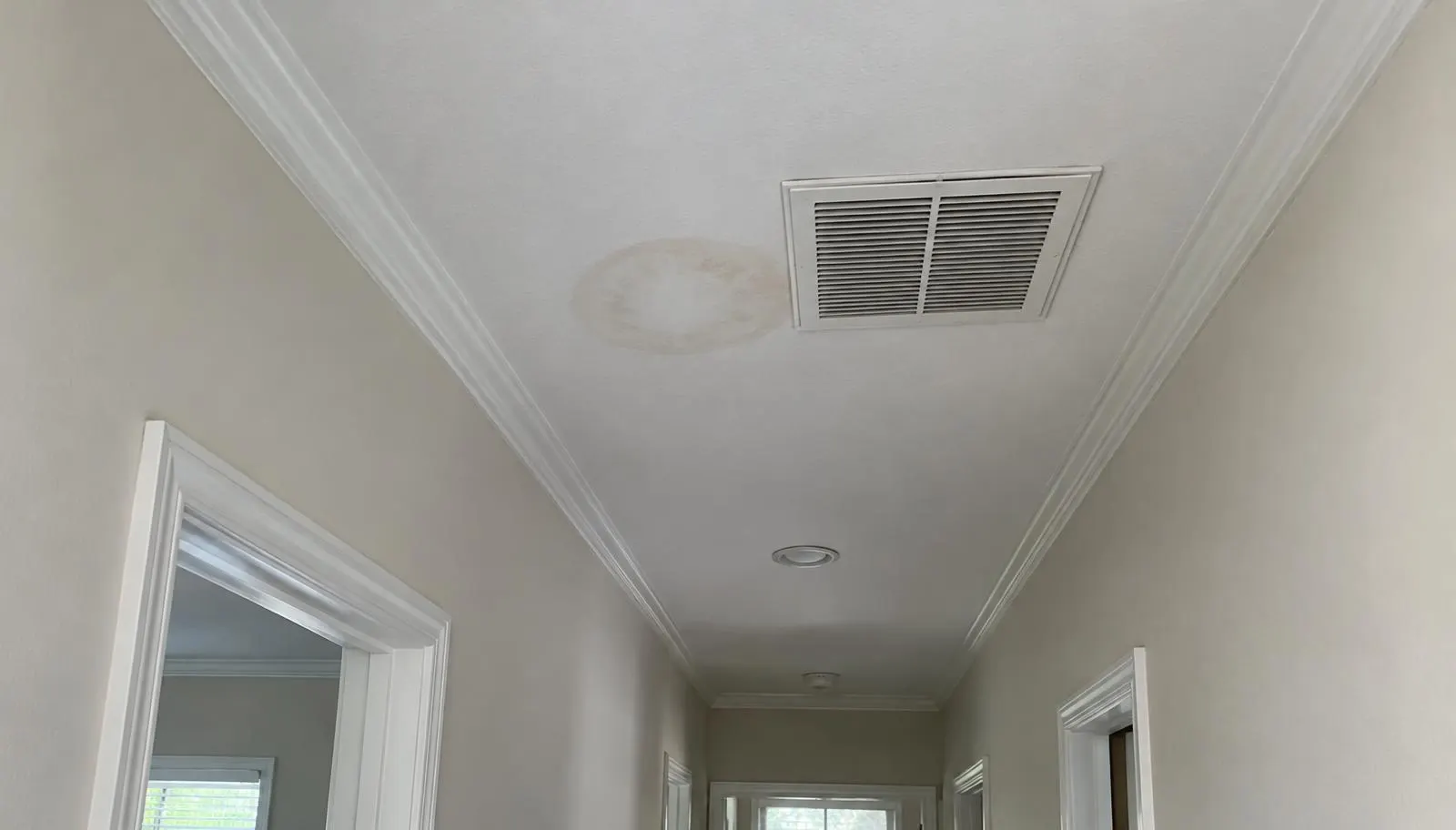
DryMax provides water damage restoration in Lafayette, Baton Rouge and Lake Charles, along with surrounding communities such as Youngsville, Broussard and Sulphur. If ceiling stains are your concern rather than floors, read our article on AC leaks through the ceiling.
Common questions
Does homeowners insurance cover slab leaks?+
It depends on your policy. Many policies cover sudden water damage to the home's interior but treat pipe repair and slab access separately. Review your policy or ask your agent; we work with your insurance and provide documentation.
How long does it take to dry a slab after a leak?+
Most residential jobs take three to seven days of active drying after the leak is repaired, depending on how long the leak ran, the flooring type and indoor humidity. Drying is confirmed with moisture readings.
Can I keep living in the house during a slab leak repair?+
Usually yes. Water to the affected line may be off for a period, and some rooms may be closed off during drying, but most families stay home.
Need help with this now?
Our IICRC-certified team serves homes and businesses across Louisiana. Learn more about our Water Damage Restoration service.
Call 337-857-3670